
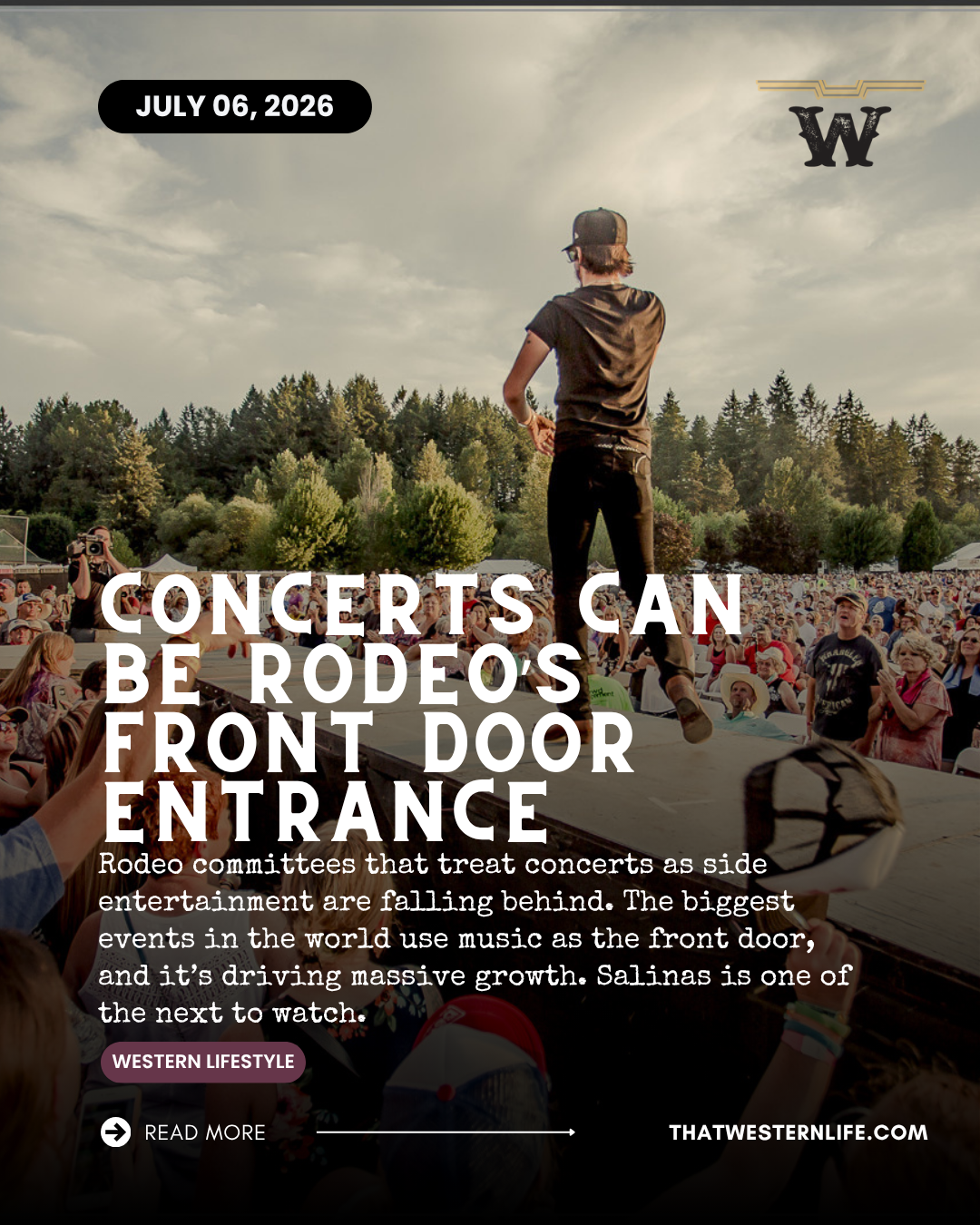
How Rodeo Committees Should Be Using Concerts to Build Bigger Events
Rodeo committees that treat concerts as side entertainment are falling behind. The biggest events in the world use music as the front door—and it’s driving massive growth. Salinas is one of the next to watch.
Rodeo committees that still treat concerts as side entertainment are missing one of the biggest growth opportunities in the western industry.
The most successful rodeos in North America have already figured it out: concerts are not an add-on. The are a core piece of the business model.
For years, concerts were scheduled as bonus entertainment - something to keep fans around after the rodeo ended. Today, the strongest events use concerts as a front door. They bring people in with music, the introduce them to the full western experience.
And the numbers back that strategy up.
The Houston Livestock Show & Rodeo generates more than $200 million annually for the local economy and draws over 2.5 million attendees. A major driver of that scale is its concert lineup, which consistently sells out NRG Stadium and attracts fans who may not initially come for the rodeo.
Calgary Stampede reports an economic impact exceeding $500 million for Alberta, with attendance often surpassing 1.2 million. Its concert programming - from Nashville North to major headliners - is not secondary. It is central to the event’s identity.
Cheyenne Frontier Days contributes roughly $40 million to the local economy each year, with its Frontier Nights concert series acting as one of the biggest attendance drivers and visibility boosters.
Those events are not guesses. They are building around a proven formula.
Concerts create entry points.
A fan might buy a ticket for a country artist, but once they are on the grounds, they engage with rodeo, vendors, sponsors, western fashion, food, and livestock culture. That crossover is where growth happens - through ticket sales, concessions, merchandise, sponsorship activation, and extended time spent at the event.
For rodeo committees, the takeaway is simple: concerts should be designed as part of the overall experience, not scheduled as an afterthought.
That means aligning artists with the western audience, promoting concerts as kickoff moments, building full-day experiences around them, and using music to expand reach beyond traditional rodeo fans.
California Rodeo Salinas is one of the next big examples to watch.
The Big Week Kick Off Concert on July 11 at the Salinas Sports Complex, featuring Miranda Lambert, Dylan Scott, and Ashley Cooke, is being positioned as the opening moment of the entire event. That is exactly how concerts should be used: to set the tone, drive early attendance at the start of the week, and create momentum heading into the rodeo performances.
Salinas already has deep rodeo roots. By leaning into a strong concert strategy, it is expanding its audience and strengthening its overall footprint.
This is the direction the industry is moving.
Rodeo is no longer competing only as a sport. It is competing as a full entertainment experience, one that includes music, culture, community and lifestyle.
The committees that understand that will grow. The ones that don’t will fall behind.
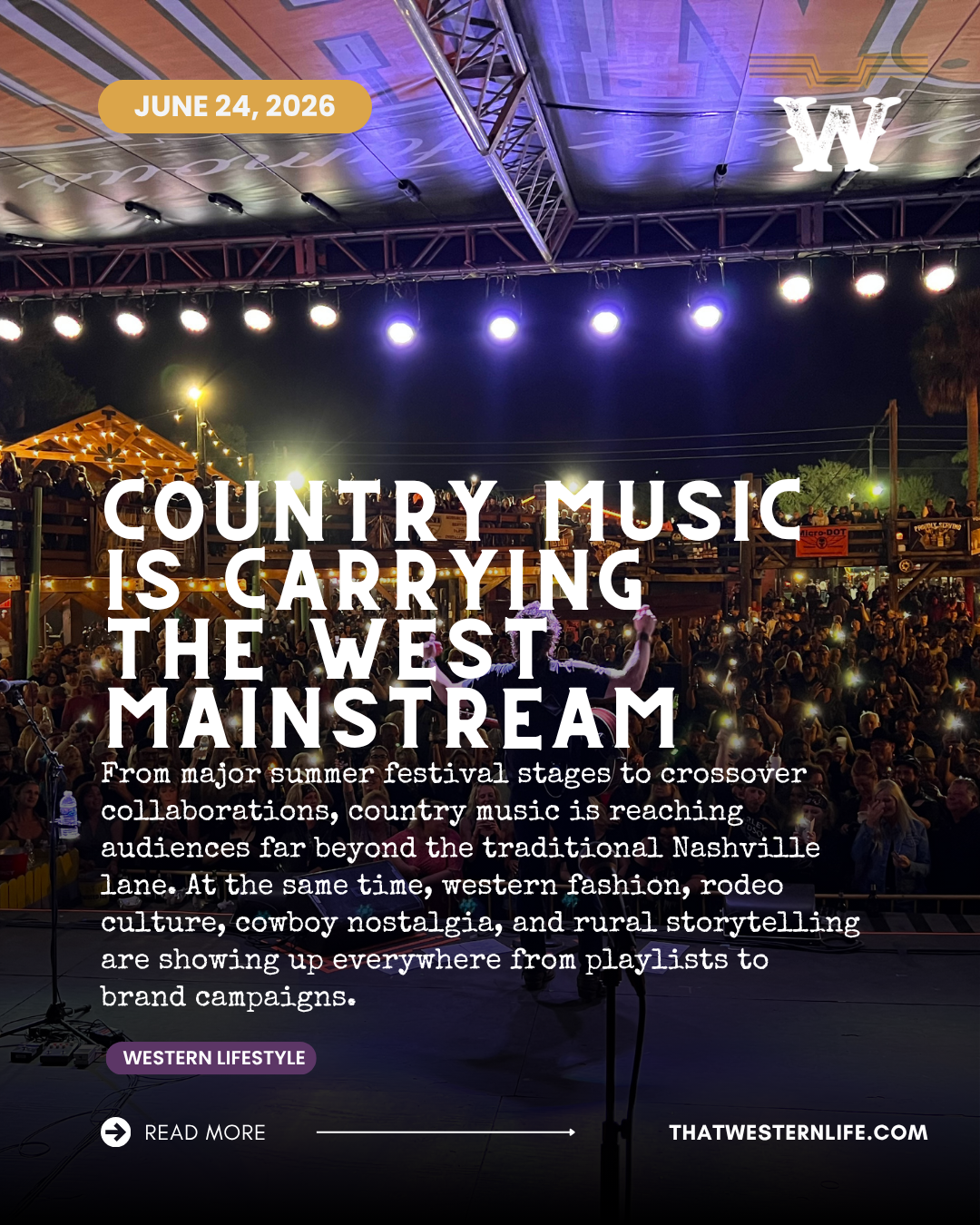
Country Music Is Becoming One of Western Culture's Biggest Gateways
For many people, country music is their first invitiation to western culture and in today’s digital-first world, there is a way that western brands can meet this new audience where they are and bring them into their business, product, and audience.
For many people, country music is their first invitation into western culture—and in today’s digital-first world, that invitation is louder, more visible, and more influential than ever before.
They may not grow up on a ranch. They may not know the difference between bronc riding and bull riding. They may never have been to a county fair, a rodeo, or a livestock show. But they know the songs topping the country music charts, the viral TikTok dance trends, the western fashion aesthetics trending on Instagram, and the massive summer music festivals drawing crowds from across the country. They recognize the feeling that western culture sells so well: grit, nostalgia, independence, heartbreak, humor, and home.
As Allen Montgomery, the Wrangler’s Western Vice President and General Manager, said on our podcast, “Country Adjacent.”
From artists like Morgan Wallen and Lainey Wilson to crossover hits blending country with pop and hip-hop influences, country music has become one of the fastest-growing genres in the entertainment industry. Platforms like Spotify, YouTube, and TikTok have amplified its reach, turning songs into viral moments and artists into lifestyle influencers. This surge in popularity has created a powerful gateway into western culture—one that brands can no longer afford to ignore.
That creates a major opportunity for Western brands looking to expand their audience, increase brand awareness, and tap into new revenue streams.
Rodeos, ranches, western retailers, tourism destinations, and agricultural businesses are all operating in a world where country music has become a cultural bridge. A country concert fan might also become a rodeo ticket buyer. A festivalgoer might become a western fashion customer searching for cowboy boots, denim brands, and western hats. A social media creator who starts with music content might eventually become a trusted voice for western lifestyle, ranch life, or rural entrepreneurship.
We’re already seeing this crossover in action. Major events like Stagecoach Festival in California blend country music with western lifestyle branding, featuring pop-up shops, influencer activations, and western fashion showcases. Brands like Ariat, Wrangler, and Tecovas are leveraging influencer marketing and digital storytelling to connect with younger audiences who discovered western style through music culture. Even tourism boards are capitalizing on this trend, promoting “authentic western experiences” tied to music festivals, rodeos, and ranch stays.
The rise of “cowboy core” and “western aesthetic” trends on social media platforms has further accelerated this movement. Hashtags like #WesternStyle, #CowboyCore, and #CountryMusicLifestyle are generating millions of views, creating organic discovery channels for brands that understand how to position themselves within the conversation. This is where SEO-driven content marketing becomes critical—blogs, videos, and social media content optimized around keywords like “western lifestyle,” “country music culture,” “rodeo events,” and “western fashion trends” can drive significant traffic and engagement.
The crossover is not accidental. It is the new front porch of western culture—a place where tradition meets modern marketing, and where storytelling becomes the most valuable currency.
Turning this into a business strategy:
To turn this cultural momentum into real business growth, western brands must move from observation to execution. Start by aligning your brand with the moments where country music and western culture intersect—sponsor local concerts, collaborate with emerging artists, or create experiences that blend music with your product or service. Invest in content that tells a story, not just sells a product. Highlight the lifestyle behind your brand through behind-the-scenes videos, customer stories, and partnerships with creators who authentically live the western way of life.
Next, build a digital presence that meets your audience where they already are. Use social media platforms to engage with trending conversations, leverage influencer partnerships to expand reach, and optimize your website and content for search engines so new audiences can discover you organically. Consistency is key—brands that show up regularly with valuable, relevant content will build trust and long-term loyalty.
Finally, stay rooted in authenticity. While trends may bring new audiences to your door, it’s your commitment to genuine western values that will keep them there. By combining cultural awareness with strategic marketing, western businesses can transform country music’s popularity into a sustainable growth engine—one that connects tradition with innovation and turns curiosity into lasting customer relationships.
5 Tips for Your COWGIRL Magazine 30 Under 30 Application Tips
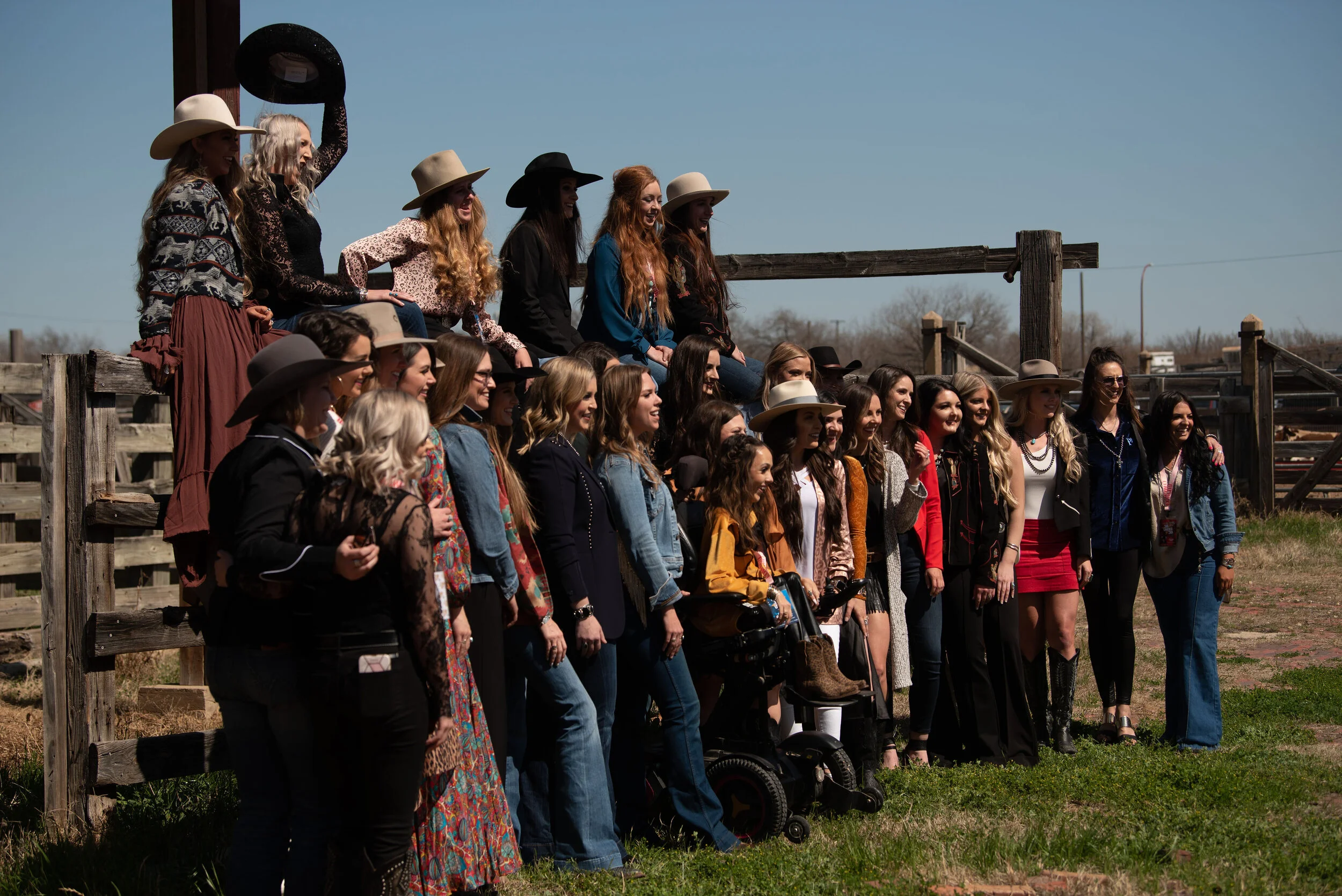
Ken Amorosano, the owner and CEO of COWGIRL Magazine jumped on the That Western Life podcast for episode 77 to chat about our collaboration featuring the inaugural 2020 class of COWGIRL Magazine’s 30 Under 30 program, as well as the 2021 class of honorees. In that interview, he gave tips to help your application for the COWGIRL Magazine 30 Under 30 award stand out!

Ken Amorosano, the owner and CEO of COWGIRL Magazine jumped on the That Western Life podcast for episode 77 to chat about our collaboration featuring the inaugural 2020 class of COWGIRL Magazine’s 30 Under 30 program, as well as the 2021 class of honorees. In that interview, he gave tips to help your application for the COWGIRL Magazine 30 Under 30 award stand out!
5 Tips for Application Success
Get a high resolution photo.
”It’s so worth your while to get a professional photograph,” explains Ken. Make sure that you take the time for a great professional headshot for your submission so that you have a quality photo of high resolution. It doesn’t have to be a glamour shot, but a high quality lifestyle photo can be very important as well.Be meticulous.
Name the photo or the document with your name. Make sure your spelling and grammar is correct - have somebody proofread. It’s not just the COWGIRL Magazine staff members reading your application, it’s industry professionals that make up the selection committee and you never have a second chance to make a first impression.Letters of Recommendation.
A lot of weight is placed on the letters of recommendations that the applicants submit. Pay attention and think carefully about who you would like to have write those for you.
Passion for the western lifestyle.
Show the passion for what you do, no matter how much or how little experience you have, but show how you love the western industries and a desire to help each other grow.
”A high tide raises all boats.”A great bio that is short, clear and concise and showcases what your passion is.
”When I meet people who are passionate about the western industries, I get excited,” says Ken. “What I love about this is the handshaking is the bond, your word is the bond. That is so important.”If you have 250 words make sure you use up those 250 words without going over. That is the real estate you have to grow your account and make a great first impression.
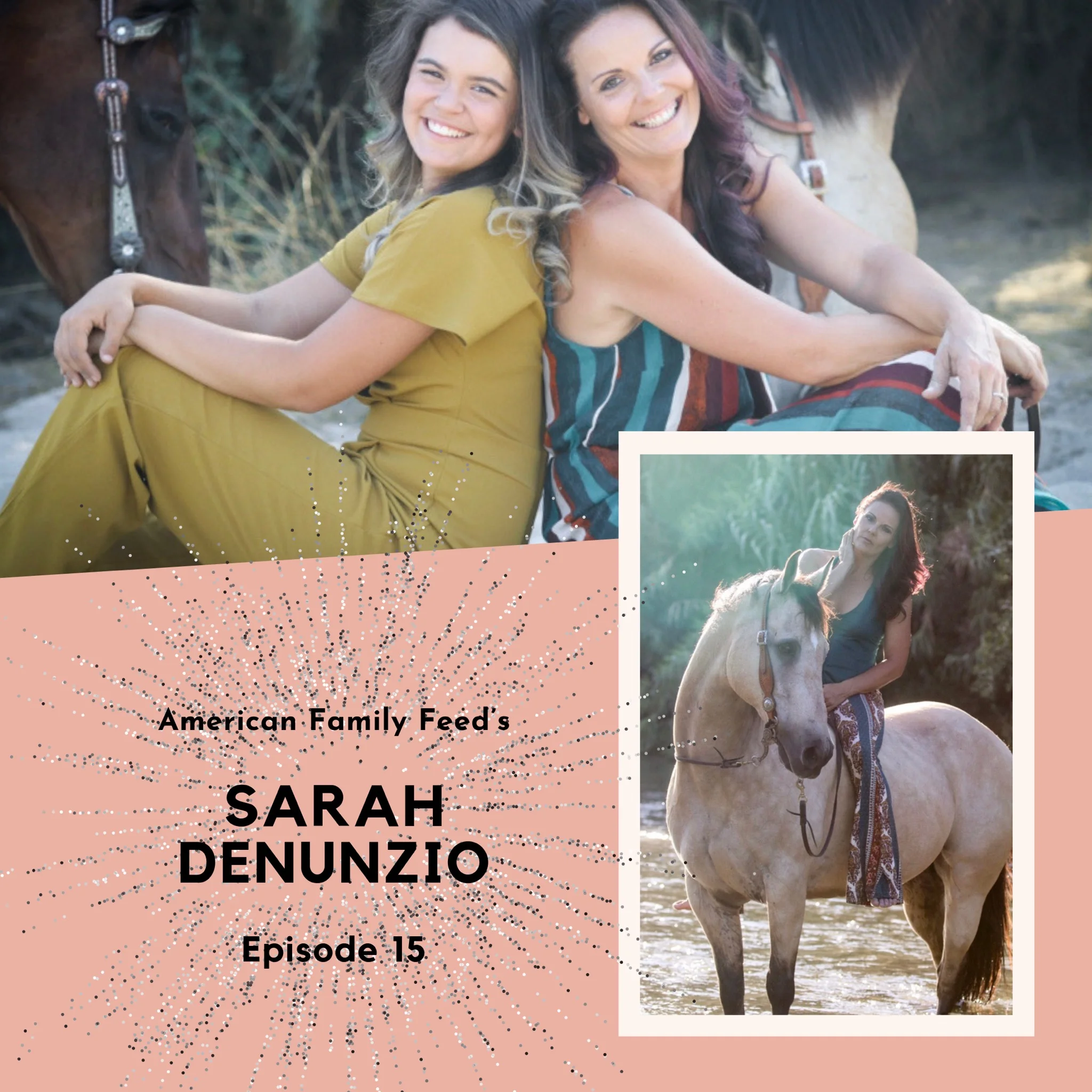
Podcast Episode 15: Sarah DeNunzio & American Family Feed
Sarah DeNunzio is one of the co-founders of American Family Feed - a low carb horse feed that is helping horses perform at the top of their game, maintaining conditioning and overall health, as well as saving horse owners money. Sarah also tells us about her battle with a terrible disease and a humorous recount of how she became involved in a real life, MTV-worthy CATFISH!
September 11, 2019 (California) - Sarah DeNunzio is one of the co-founders of American Family Feed - a low carb horse feed that is helping horses perform at the top of their game, maintaining conditioning and overall health, as well as saving horse owners money. Sarah also tells us about her battle with a terrible disease and a humorous recount of how she became involved in a real life, MTV-worthy CATFISH!
If you are a fan of Episode 15 - you may also like these other podcast episodes:
Ep. #13: Angela Meyer & Dean Martin - Singer songwriter and her bullfighting boyfriend talk about working on the road, passions about the western lifestyle and what it’s like becoming accidental stock contractors! LISTEN HERE!
Ep. #7: Trent Johnson with Greeley Hat Works talks about how he wanted to be an entrepreneur and his flair for style has resulted in one of the most western lifestyle involved companies! LISTEN HERE!
Ep. #4: Brittany Phillips with Boot Barn talks about marketing, cutting edge, and what it’s like working in the sphere of nationally known retailers! LISTEN HERE!

Podcast Episode 3: Monthly Installments with JJ Harrison
He’s the fat suit dancing, funny man who can also fly a plane and teach a science class, a former National Finals barrelman, from the place so nice they say it twice, Walla Walla, Washington, he’s the man with the can: JJ Harrison! Joining for the first of many of his monthly installments, JJ Harrison breaks down what it’s like to be a barrel man and how he became one himself!
Monthly Installments with JJ Harrison
More than a rodeo clown.
He’s the fat suit dancing, funny man who can also fly a plane and teach a science class, a former National Finals barrelman, from the place so nice they say it twice, Walla Walla, Washington, he’s the man with the can: JJ Harrison! Joining the That Western Life podcast team for his first-ever monthly installment of Deep Thoughts on the Rodeo Trail with JJ Harrison.
Make sure to keep up with JJ on all of his rodeo travels on Facebook through his page and fan group, as well as his “Instant Gram” (aka Instagram). Make sure to give him a follow, seriously!
The Rodeo Trail
With 52 weekends in a year, JJ is no stranger to travel as the life of a rodeo specialty act means he’s on the road upwards of 43 different events a year. These include not only rodeo performances, but also speaking engagements, school events, and more.
“When you have a weekend off in the summer as a rodeo guy, it freaks you out!” JJ says with a laugh as he discusses his only free weekend the third weekend in June. “You don’t stress in the winter time because it’s more of your off season, but those off days in the winter time are kind of worrisome.”
The MGM After Party at the Wrangler National Finals Rodeo
The Gold Buckle Zone at the MGM Grand is JJ’s home for the Wrangler National Finals Rodeo in Las Vegas starting in 2012. As it started, it was just a more simple task list for JJ, but he’s now built himself into the host of the MGM party and activities. Moving venues from a large ballroom to where they are now outside one of the bars. A great band, great activities, and more, JJ’s role is to facilitate people bringing out “their absolute worst,” which, for everyone else, is their absolute best.
When people go to Vegas, they want to have fun and feel like they are doing something that they wouldn’t be doing back at home. People jump at the opportunity to get on stage and dance and do crazy games for the entertainment of the crowd. The MGM gives JJ great tickets for different MGM events and gift certificates to their location which makes it fun and exciting and adding incentive.
In 2018, they were officially the biggest after party of the WNFR. A great, profitable party for the MGM, it reflected well on where JJ is for their career as the host.
Curious about learning more about the 2018 WNFR, check out episode 1 of the That Western Life podcast where we recap the 2018 WNFR.
Married Life From the Rodeo Trail to Vegas
In picking a girl for me, that fit me, it was a huge factor for her to be okay with not only all the travel that I did with rodeo, but also with the work we do at the finals in rodeo. As a photographer, JJ’s wife Bailey, knows that, without a doubt that she is invited and that she is wanted there, and her role is in documenting through photography all that he does for his promotion and sponsors.
“She’ll be sitting there six feet from me, and she won’t do anything! She’ll just laugh and smile, that’s the kind of personality that you got to have with … my job,” explains JJ. “Any entertainer has a light switch that they’re ‘on,’ and that it IS a job. It can be a natural job, but it’s still a job. The key… is simply that I have my moments and that we have to have her moments.”
Changes in the PRCA
There’s a lot of good moving forward for the PRCA according to JJ.
“I like that he was kind of an outside horse,” JJ says about the PRCA news CEO George Taylor. He provides an out of the box and our comfort zone to look at what we could do better. There are times, however, where we have to revert back to the things that we have to keep doing well.
“The small rodeos of the PRCA are the backbone.” What makes the PRCA stands at our ultimate height is the small rodeos that are the backbone and the volunteers that not only sponsor those small rodeos and donate their time to make sure that they are successful. We can’t forget, in our attempt to get on more TV shows, and to be the next big thing, those small rodeos.
If you are interested in learning more about the future of the PRCA, listen to episode 2 of the That Western Life podcast where we discuss new hires and our thoughts on the changes.
Circuit Finals and the Ram National Circuit Finals
Coming off of his 11th circuit finals rodeo but also his third Ram National Circuit Finals, JJ discusses how time is needed for the success of a rodeo. Kissimmee has grown as fast as any rodeo can grow and that includes thinking out of the box.
One of these ideas is a kids day, where they bus all the local kids in to the rodeo during the day performance. “It is the greatest performance that JJ Harrison could ever work!” It’s nearly 2,000 middle schoolers so the energy is loud and creates a new atmosphere and ambassadors.
Breakthrough marketing idea for the RNCFR: Bring the contestants and specialty acts and personnel for the Ram National Circuit Finals Rodeo together to create a workbook and jumbo-traun videos of educational exercises for those kids on field trip day.
Education: The General Journey of JJ
Background
I was a rodeo guy when I was young but my mom told me that I was going to go to college. I got a teaching degree, and I was working at an alternative high school in 2008 which was when I made the switch. Working as the Dean of Students it was a lot of disciplinary action. I had been rodeoing through the summer and I really enjoyed it.
I really do like kids, it’s amazing what a group of kids can do. At the middle school level, a kid just needs to like school. If you can teach them something, that’s a bonus. If a kid leaves middle school and they just have a love for school and enjoy it, they are going to be successful in high school. It’s the one that’s leave middle school and are unhappy, they start following the wrong egg around, those are the kids that you have to really worry about. The kids that are happy and positive and know that they could be anything.
Now he gets an amazing opportunity to serve as an educator in an informal scenario.
Podcast Bonus Story: “TIRES!” (Medford, Oregon)
Anti-Bullying Platform
Middle school can be the dome of bullying and JJ takes the opportunity to campaign against it for quite a long time. There is a huge need for rodeo personnel to do more with kids and the youth because bullies aren’t just in grade school or high school, they are everywhere. They are in the workforce, college, volunteering, etc. More than not, it’s not a physical bully, it’s an emotional bully and you need to know two differences.
IDENTIFY: Bullying is a repetitive behavior and an imbalance of power
I tease people for a living. Even though the announcer and I tease each other throughout the performance, at the end of the day we are friends, but there is a balance of power.Tattle-Tells vs. Reporting
Reporting is going to be different. You need to understand that when you report things you are not being a tattle-tell. About 94% of teen suicide, the communication stopped before they killed themselves. People can’t be afraid to communicate so when you change it to a reporting situation, kids are more apt to report.
Rodeo Clowns in the Arena
On the ground in the arena, JJ has some medical training and has been, unfortunately, in situations where he is the first one to the victim. During a medical emergency, he doesn’t care about the crowd, and is focusing on keeping the contestant’s neck immobile until the medical team can get there. There are some very bad situations that are freak accidents, and we want to take the time to send our condolences to Mason Lowe and his family.
Once a professional medical personnel gets to the injured person or victim, you don’t want to be a distraction and ignore what happened. You want to bring them on a journey; take a moment to take a knee or a prayer. JJ also knows that he is the on ground communication with the announcer, to mime what’s happening as the eyes for the announcer.
Podcast Bonus Story: “The kind of broke where you can wave really cool behind your back!” (St. Paul, Oregon)
Podcast Bonus Story: “They ran a freaking team roping run!” (Poway, California)
Podcast Bonus Story: “I ripped off my jersey and there was this big old ‘M’ for ‘milker’ on my chest and I was off!” (Ellensburg, Washington)
Drop it in the comments below or send us a message on any social media platform or email us at thatwesternlifeusa@gmail.com! Give us five stars in a review, tell your friends, and help us get bigger and better for you the fans!
Theme Song: Doin’ Me by Trevor Tagle
Follow That Western Life on Social Media
Facebook | Twitter | Instagram | eNewsletter

Top Northwest Christian School Opens New Agricultural Department; Providing Opportunities for Professors and Students Alike
It should be no surprise that Corban University, rated as one of the top private universities in the Pacific Northwest, would look to new opportunities to grow the first class experiences that they provide to young men and women from all over the region. What is a surprise is that Corban University is one of two private Christian schools west of the Rockies that are introducing an Agricultural portion to their academic regimen.
(March 21, 2018) Corban, Salem, Oregon - It should be no surprise that Corban University, rated as one of the top private universities in the Pacific Northwest, would look to new opportunities to grow the first class experiences that they provide to young men and women from all over the region. What is a surprise is that Corban University is one of two private Christian schools west of the Rockies that are introducing an Agricultural portion to their academic regimen.
When Griff Lindell, Dean of the Hoff School of Business at Corban University, was asked to spearhead the new agricultural concentration in the school of business, his response was, “Sure! Why not?”
Anyone who looks outside a window of Corban University would have to agree. Situated in the heart of the mid-Willamette Valley of Oregon, farm fields, orchards, and livestock are abundant surrounding the school. Not far away lies Salem, Oregon, the Capitol, where many of the biggest names in agricultural commodities associations call home as they work on behalf of farmers and ranchers all over the state. This cornucopia of knowledge within just a 50-mile radius showcases just a glimmer of the potential that this program will reach within the next few years.
Currently, the degree opportunity for interested students is in the Hoff School of Business as a concentration in Agribusiness. Students completing the program will gain all of the benefits of being a Corban graduate, not only gaining competence in their area of study, but also building character by experiencing a minor in bible, biblical integration into coursework, and looking at the underlying principles that are eternal.
“A student who goes to Corban will understand that their purpose in life is to live life so that God is glorified,” explained Lindell. “You are going to learn basically the same course content information but you are also going to learn the eternal truths, elements that build character, and develop competence that has a spiritual dimension to it! Scripture tells us to do our work as if God is looking over your shoulder. That brings a whole other level to daily chores; you are doing those chores for a purpose much greater than yourself.”
The search for the perfect Program Chair for the Agribusiness Concentration is completed and an offer is being made at the writing of this blog. This individual will honor and serve God in educating Christian students who will become competent practitioners in the agriculture industry. A passion for the industry and for building this new program are essential for the success of both the candidate and the school.
Students who are interested in pioneering this new program have a unique opportunity through the form of scholarship. The first 15 incoming students admitted to the agribusiness program will also be awarded a $16,000 annually-renewable scholarship. Better hurry to be one of the 15!
An amazing opportunity for a youth who is looking to step up their education while incorporating their love for Jesus Christ may be the answer to some of those questions of youths who are nervous about heading to the next chapter. Allow Corban’s fine roster of professors and advisors to guide them through their next few years of school.
For more information on the scholarship, please click this link to be directed to the Corban University website.
Corban has high hopes for the future as they start off with a small building block into the agricultural world. Their plans over the next decade include a college of agriculture studies with degree programs in various agriculture specialties that could include livestock, soils, agribusiness and more.
###
For more information, visit the Corban website at their website here.
Big Place, Many People; Getting to know your veterinarian office staff
“Welcome, how can we help you?” This is a greeting you’ll hear from behind the front desk of your veterinary office. That voice could belong to any of the veterinary hospital staff. An average veterinary facility will have at least one person in the following roles: Receptionist, Veterinary
Assistant/ Veterinary Technician, Kennel Staff, Office Manager, and Doctors.
“Welcome, how can we help you?” This is a greeting you’ll hear from behind the front desk of your veterinary office. That voice could belong to any of the veterinary hospital staff. An average veterinary facility will have at least one person in the following roles: Receptionist, Veterinary Assistant/ Veterinary Technician, Kennel Staff, Office Manager, and Doctors.
A receptionist is normally that happy smiling face you see when you first walk in. They’re that “first impression” you feel. A veterinary receptionist has a lot of responsibilities on their shoulders. Doctors and assistants rely on them to schedule appointments, treatments, and surgeries for a smooth and even work flow. Taking payments, answering phones, setting up charts, and making sure the retail area is clean and tidy is part of their daily tasks. A receptionist will often ask a veterinary assistant for help.
A veterinary assistant is that animal lover who accompanies the doctor in an exam, assists in treatments, and lends a helping hand throughout the entire hospital. They are similar to a veterinary technician. A technician will have a state license and hold an associates of applied
science. Both positions, under discretion and supervision of a licensed veterinarian, can perform the same duties.
However, a technician in the state of Oregon can administer a rabies vaccination and sign the certificate, per the American Veterinary Medicine Association (AVMA). These roles carry a lot of weight between patients and paper work. During the daily grind, both assistants and technicians will rely heavily on kennel staff before the day starts, and as the
day ends.
Kennel staff are the unsung heros of a veterinary facility. They wake up early, come to work,
feed hospitalized patients, take them on walks, administer perscribed medications, and set up the hospital for appointments, treatments, and procedures. They come back in the late afternoon to feed, walk, and clean the hospital from ceiling to floor. A kennel assistant is an entry level position. This job is back busting, but worth it. It’s a starting block for a career in
the veterinary field, kind of like training wheels.
An office manager is someone to look up to, someone to trust, someone to learn from. They carry the most responsibility. When in this position, an office manager hires and fires, as well as trains all staff members. They know all roles of the hospital by heart and can double as a missing member when needed. As a manager, they manage the money for bills, supplies, and payroll. This position is typically filled by a licensed technician chosen by the owner of the hospital.
In most cases, the owner is the doctor. They are the heart and soul of a veterinary hospital. They spend years learning just about everything a brain can hold. Vet school is long and covers general information regarding domestic animals, such as our furry felines and courageous canines. Upon graduation, they can choose a specialty or stay with general medicine. Like a technician, a doctor is required to have a state license. This license allows them to practise in a specific state.
###
Article submitted by Anastasia Hamilton. Read her bio on the author page.