That Rodeo Life
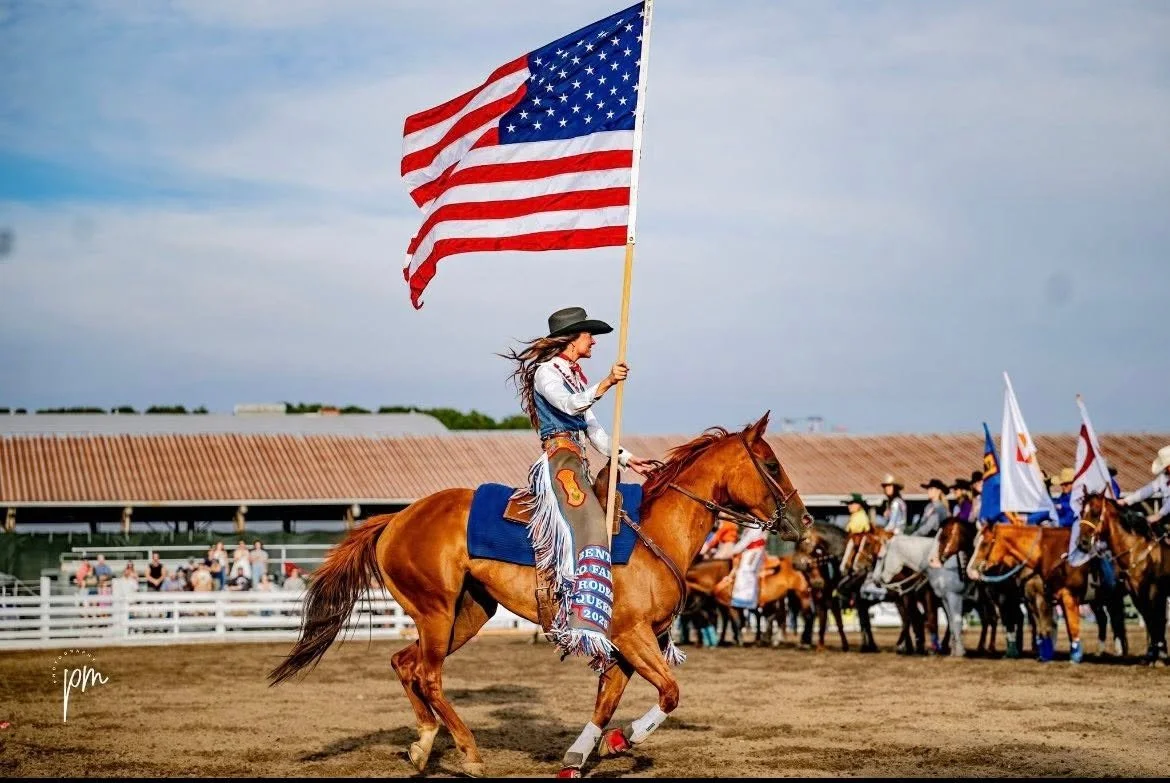
As the Benton County Fair and Rodeo queen program prepares to celebrate its 25th anniversary in 2026, its legacy reaches far beyond crowns, sashes, and public appearances. The program has become a leadership pipeline for young women in rodeo, agriculture, and the Western industry, developing skills in public speaking, horsemanship, sponsor relations, advocacy, and community representation.
Alumnae including Nicole Schrock, Rylee Henderer, and Morgan Young show how rodeo royalty can evolve into real industry leadership, especially through their work building the Larry Bell Memorial All Girls Rodeo and expanding opportunities for women in rodeo. Guided for more than 20 years by Kristi Schrock, the program’s impact is measured not just by titles earned, but by the women who return to lead, build, and create opportunity for the next generation.
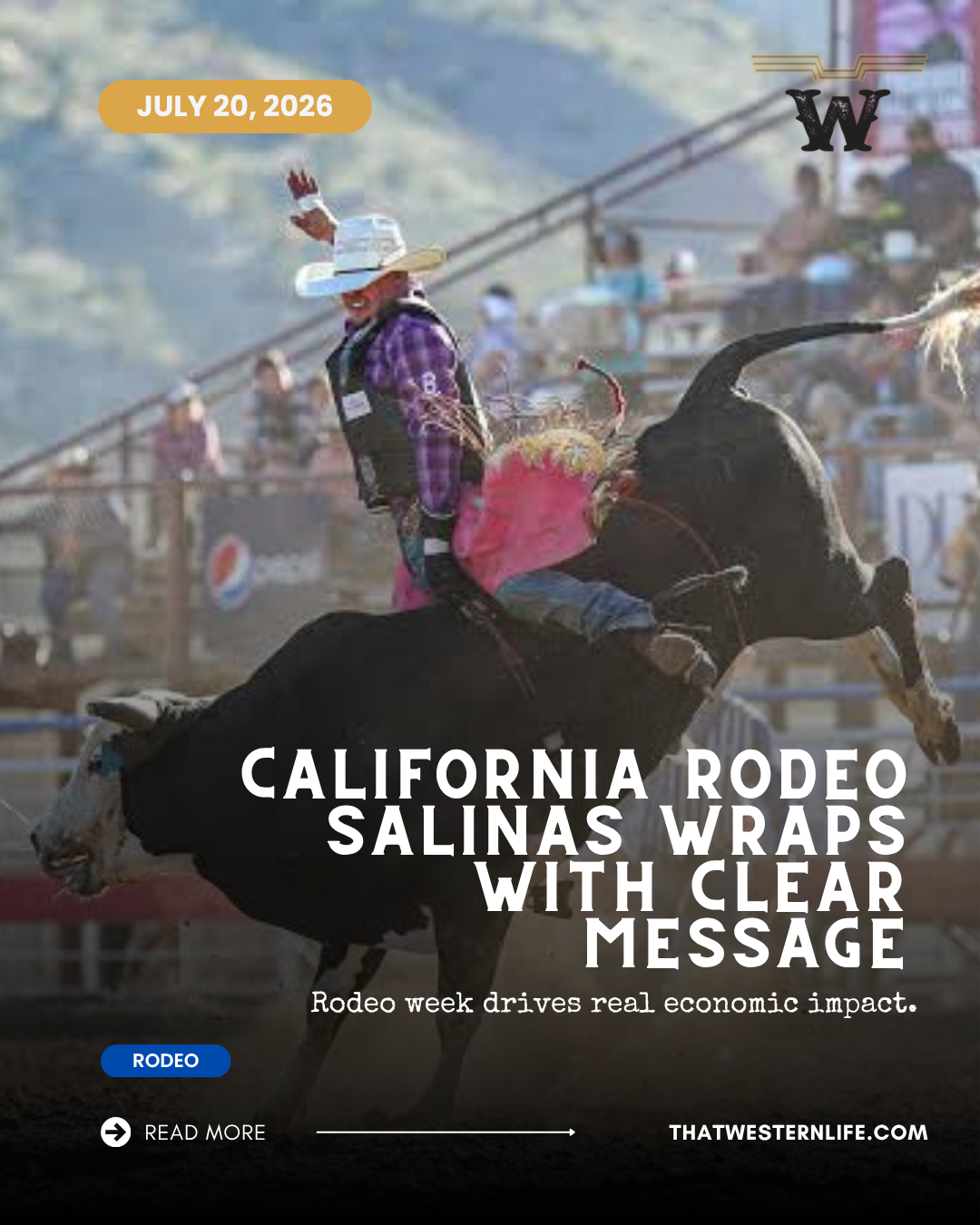
The 116th California Rodeo Salinas wrapped with a clear reminder that major rodeo events are no longer just four days of competition — they are full-scale economic engines. Through Big Week Bull Riding, themed performances, concerts, carnival programming, community events, and agricultural recognition, Salinas created a weeklong event model that drove tourism, hotel stays, restaurant traffic, vendor sales, seasonal employment, and regional visibility. The rodeo’s continued connection to Salinas Valley agriculture also reinforces why western events matter beyond entertainment: they support local economies, preserve cultural identity, and showcase the industries that sustain their communities.
That Agvocate Life
The Akawa Butte Fire near Sisters is testing Central Oregon’s capacity to evacuate residents and livestock while protecting tourism, agriculture and rural commerce.
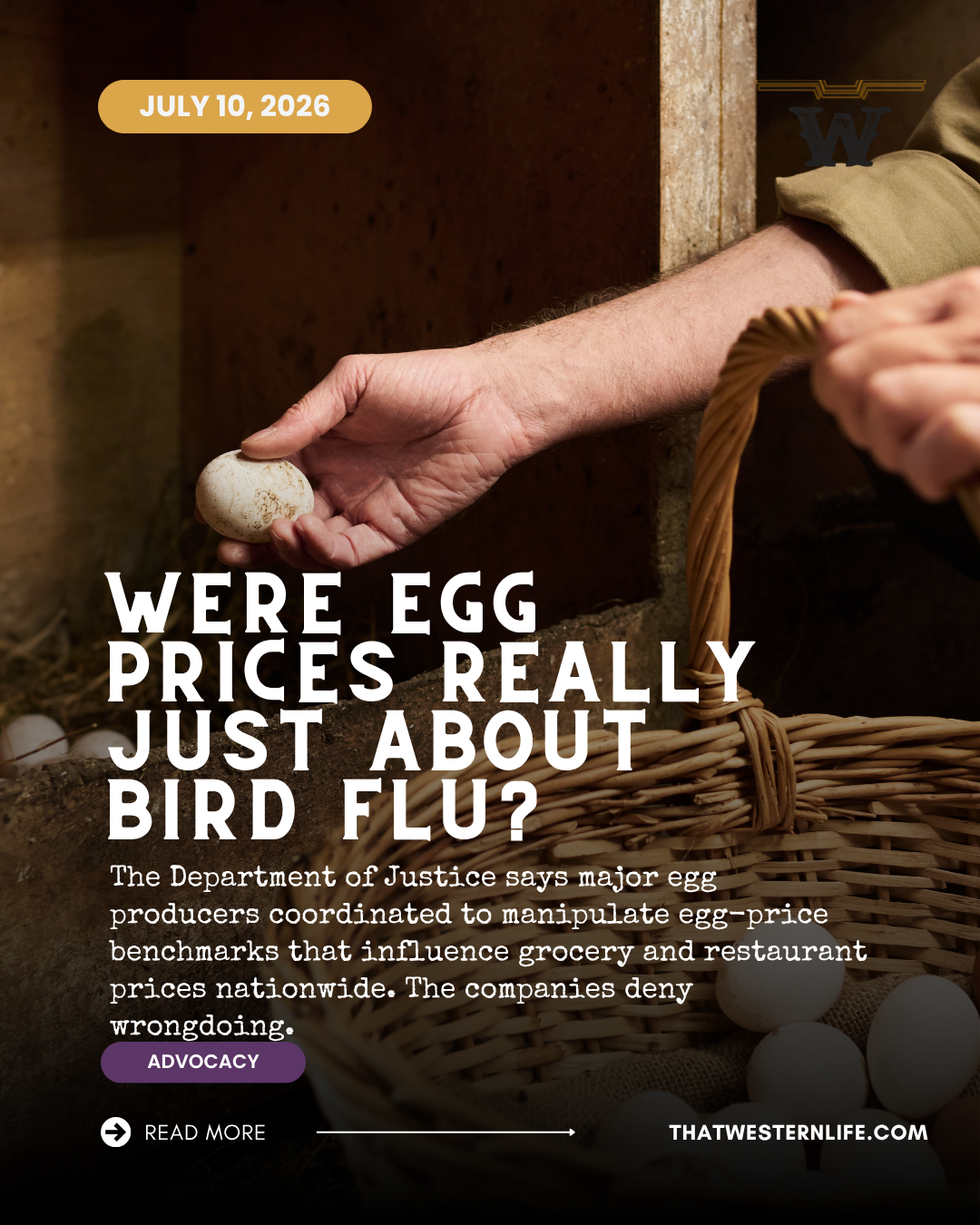
The DOJ says major egg producers coordinated to manipulate egg-price benchmarks that influence grocery and restaurant prices nationwide. The companies deny wrongdoing, but proposed settlements include $3.3 million in payments, 53 million eggs donated to food banks, and new antitrust compliance requirements. This is bigger than eggs. It is about food affordability, market concentration, and whether consumers can trust the pricing systems behind everyday groceries.
USDA’s new SPUR program will provide up to $500 million to eligible beef processors. With the top 4 packers controlling over 80% of processing, this matters because capacity directly impacts cattle prices, beef prices, and what consumers pay at the store.
That Ranching Life
The United States needs more cattle—but it cannot afford to underestimate New World screwworm.
USDA plans to reopen the Douglas, Arizona, port to Mexican livestock on August 24, beginning a phased return to cross-border cattle trade. Feedlots and processors see additional cattle as welcome relief for a historically tight supply chain. Many domestic ranchers, however, are asking whether trade should resume while the parasite remains active on both sides of the border.
And this isn’t a simple ranchers-versus-regulators debate.
New World screwworm cases have doubled to 32 in the U.S., with most reported in Texas cattle. These larvae feed on living tissue, making early detection critical for animal health and herd protection.
Record beef prices are hitting Fourth of July cookouts, but this is bigger than grocery-store sticker shock. Tight cattle supplies, drought, wildfires, herd rebuilding timelines, and blocked Mexican cattle imports are all part of the story.
That Western Lifestyle
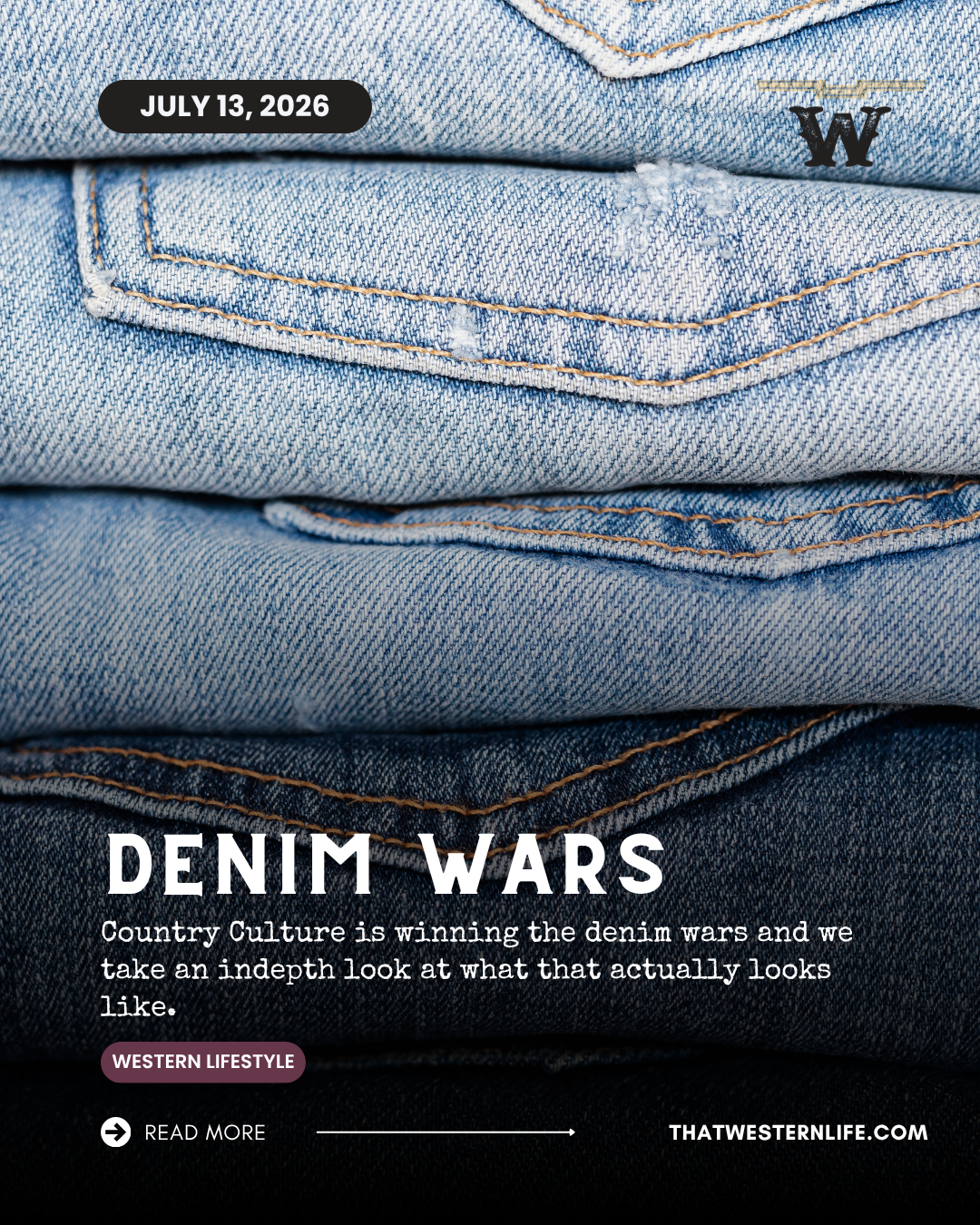
Ella Langley’s American Eagle campaign is not just a denim ad — it is part of a larger fight for cultural relevance in fashion.
American Eagle is using Langley to anchor its authenticity lane: country music, barns, boots, Southern styling, and a real connection to the brand. At the same time, campaigns with celebrities like Sydney Sweeney show the brand is also chasing aspiration, glamour, and mainstream attention.
That is what makes this moment interesting.
Denim brands are no longer competing only on fit or price. They are competing on identity. And right now, country culture is one of the strongest identities in the marketplace.
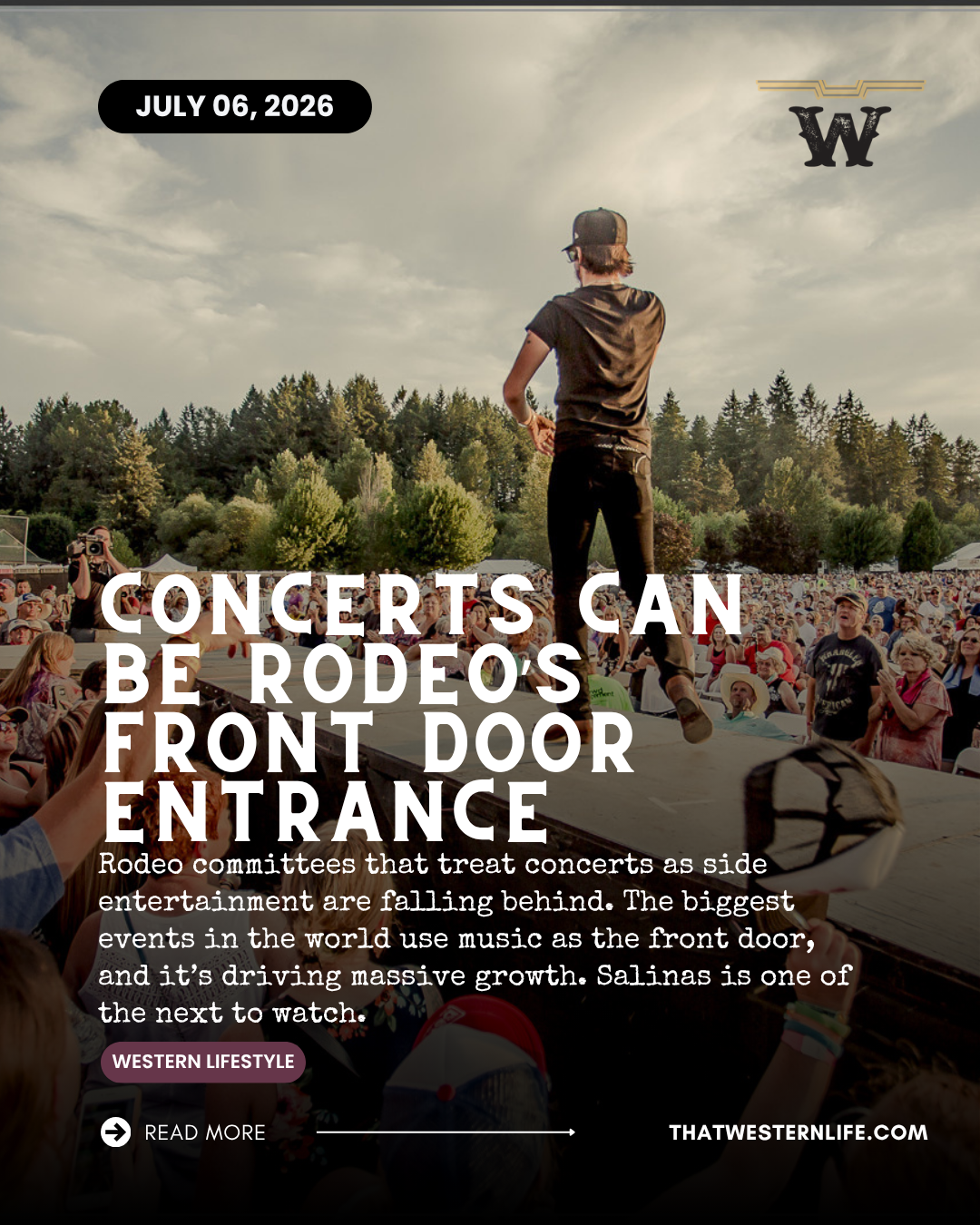
Rodeo committees that treat concerts as side entertainment are falling behind. The biggest events in the world use music as the front door—and it’s driving massive growth. Salinas is one of the next to watch.
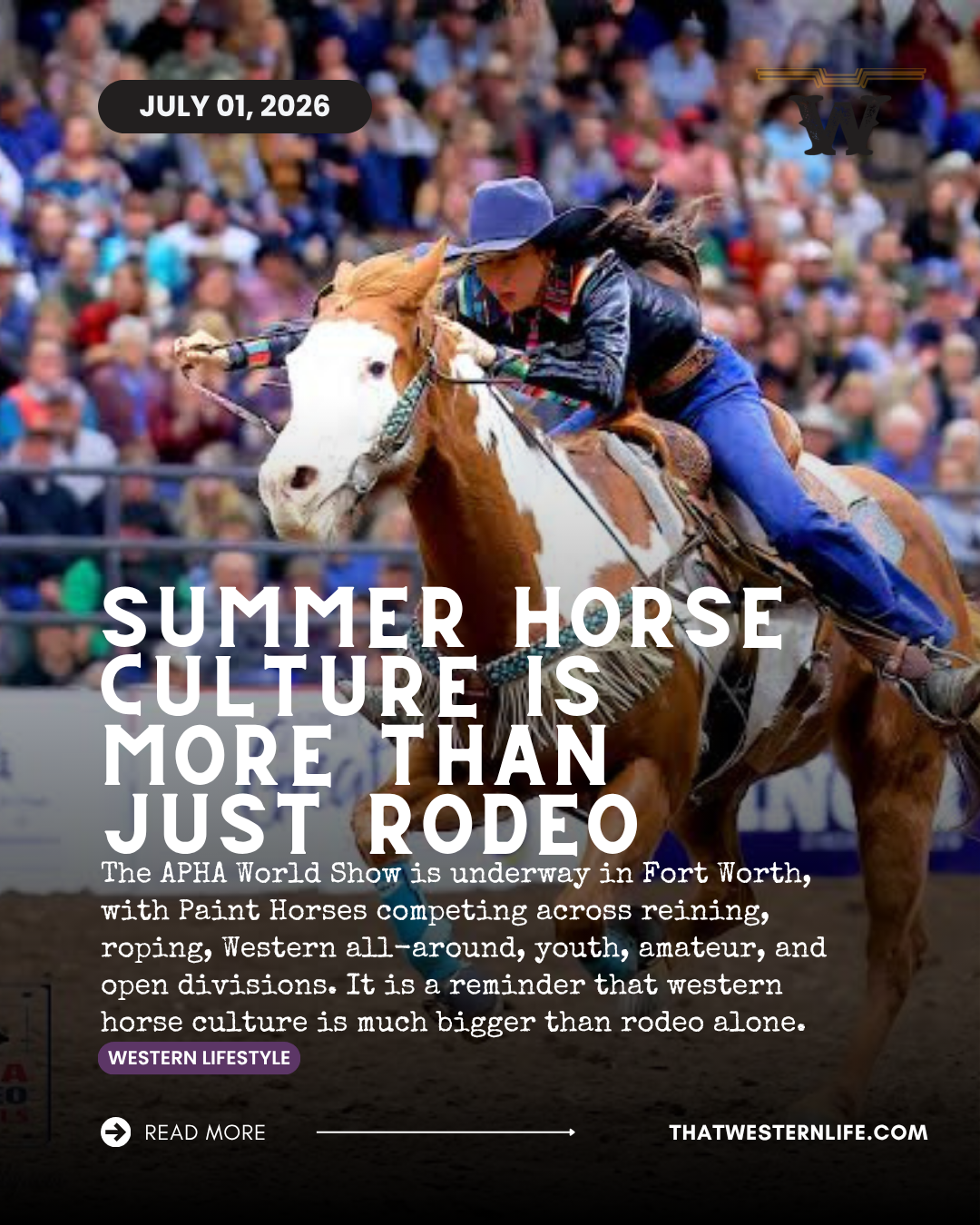
The APHA World Show is underway in Fort Worth, with Paint Horses competing across reining, roping, Western all-around, youth, amateur, and open divisions. It is a reminder that western horse culture is much bigger than rodeo alone.
That Ag Media Life
A small investment in your online presence can reach your demographic faster as 2.51 billion people were on social media in 2017! If you don't tell your story, someone else will and they're going to get it wrong - are you okay with that? Contact Western Insights Media today to find an affordable and effective package for you!
That Farming Life
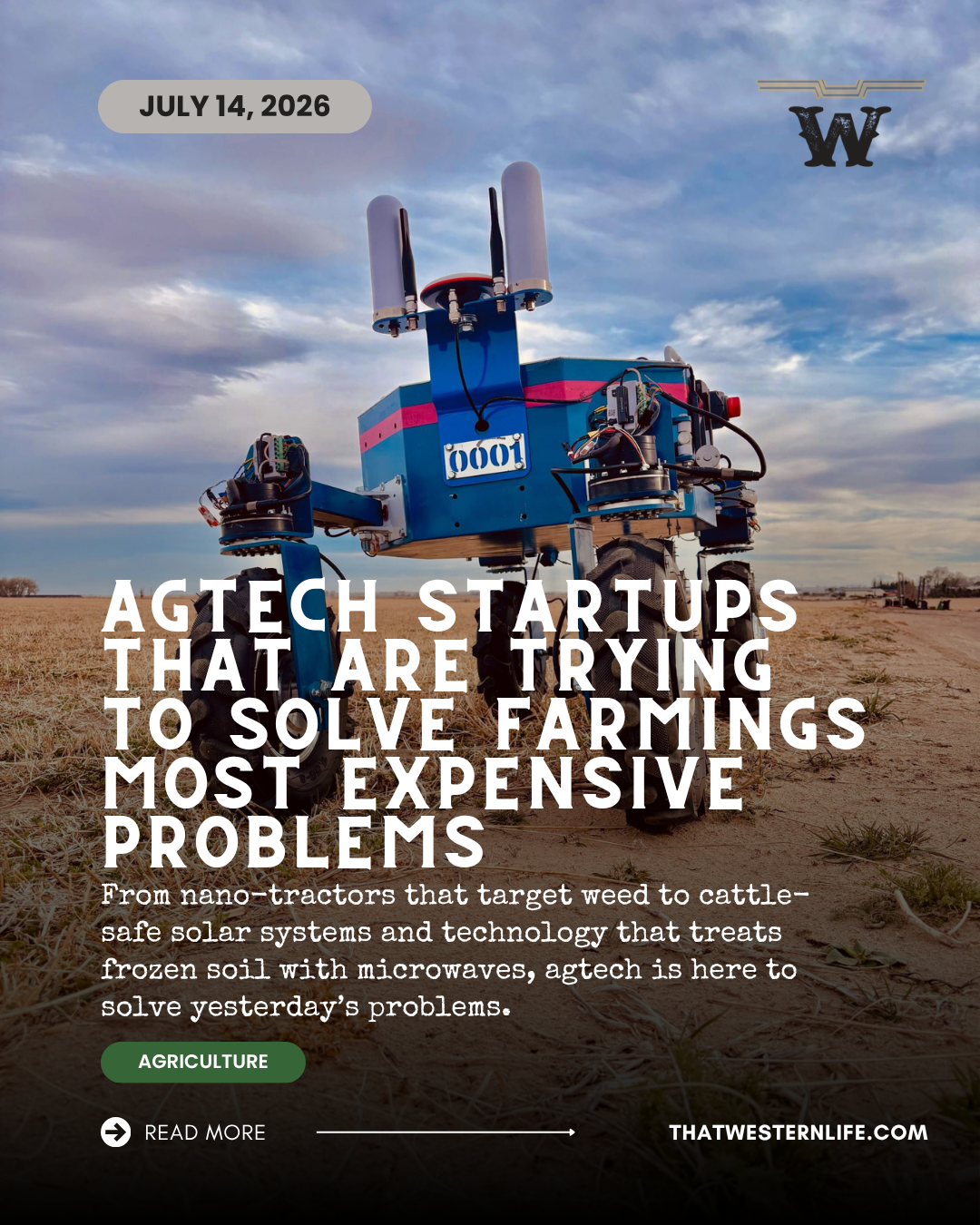
Eight emerging ag startups are showing where farm technology may be headed next: toward practical tools that solve specific, costly problems for producers. From autonomous weed-control tractors and edge-of-field solar systems to microwave soil treatment, satellite-based nitrogen recommendations, slow-release fertilizers, hemp genetics, and bio-based rubber research, these innovations are less about flashy disruption and more about real operational value. For agriculture, the next big shift may not come from one all-in-one machine, but from a collection of targeted technologies that reduce labor pressure, protect productive acreage, improve nutrient efficiency, and create new revenue opportunities.
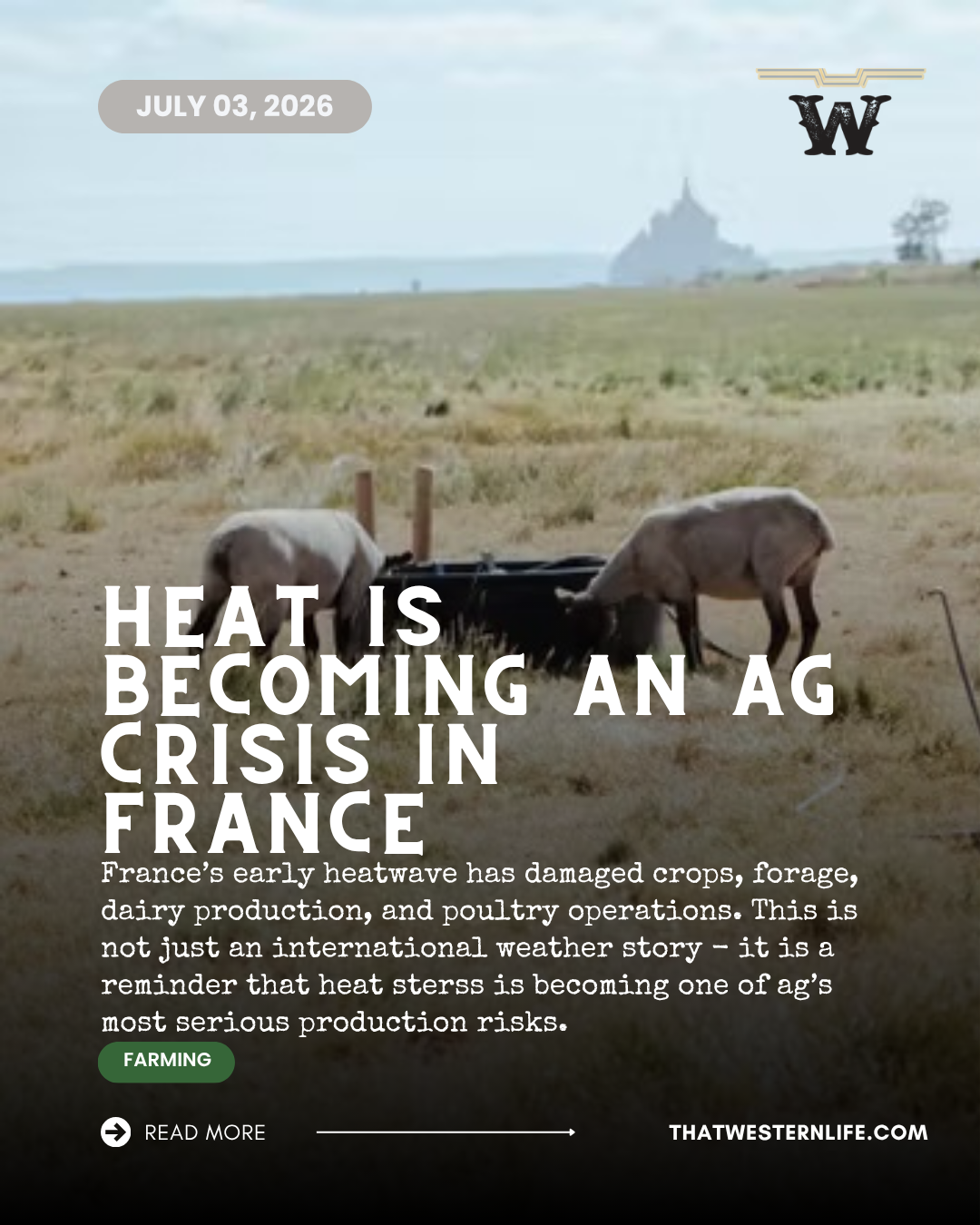
France’s early heatwave has damaged crops, forage, dairy production, and poultry operations. This is not just an international weather story - it is a reminder that heat stress is becoming one of agriculture’s most serious production risks.
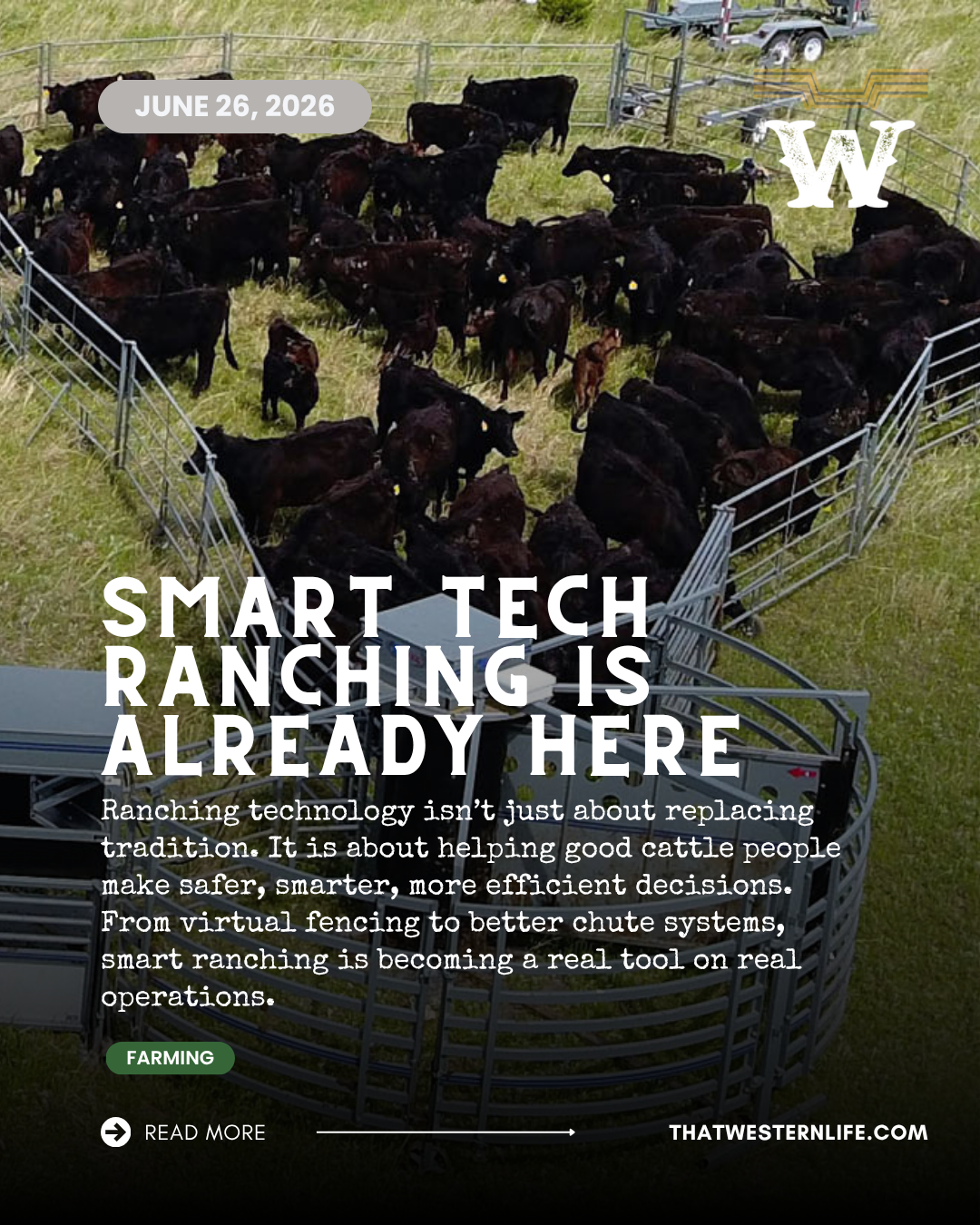
Ranching technology is not just about replacing tradition. It is about helping good cattle people make safer, smarter, more efficient decisions. From virtual fencing to better chute systems, smart ranching is becoming a real tool on real operations.
Rodeo queens and Western representatives do more than celebrate a way of life—they help the public understand it. Learning the basics of agricultural policy, from public-land grazing and water rights to animal welfare and the Farm Bill, prepares emerging leaders to answer difficult questions, advocate responsibly and help shape the future of the Western industry.