Bringing you everything western lifestyle, That Western Life is your go-to source of news and stories in rodeo, ranching, agriculture, agvocacy, and western lifestyle! A product of our parent company, Western Insights Media, we aim to bring you current and up to date information in regards to the western industry whether it be rodeo, farming, rodeo, agricultural policy, and more. The That Western Life podcast is based on 50% rodeo and 50% other, with other being defined as ranching, farming and western lifestyle!
Subscribe to the e-newsletter today to find out more.
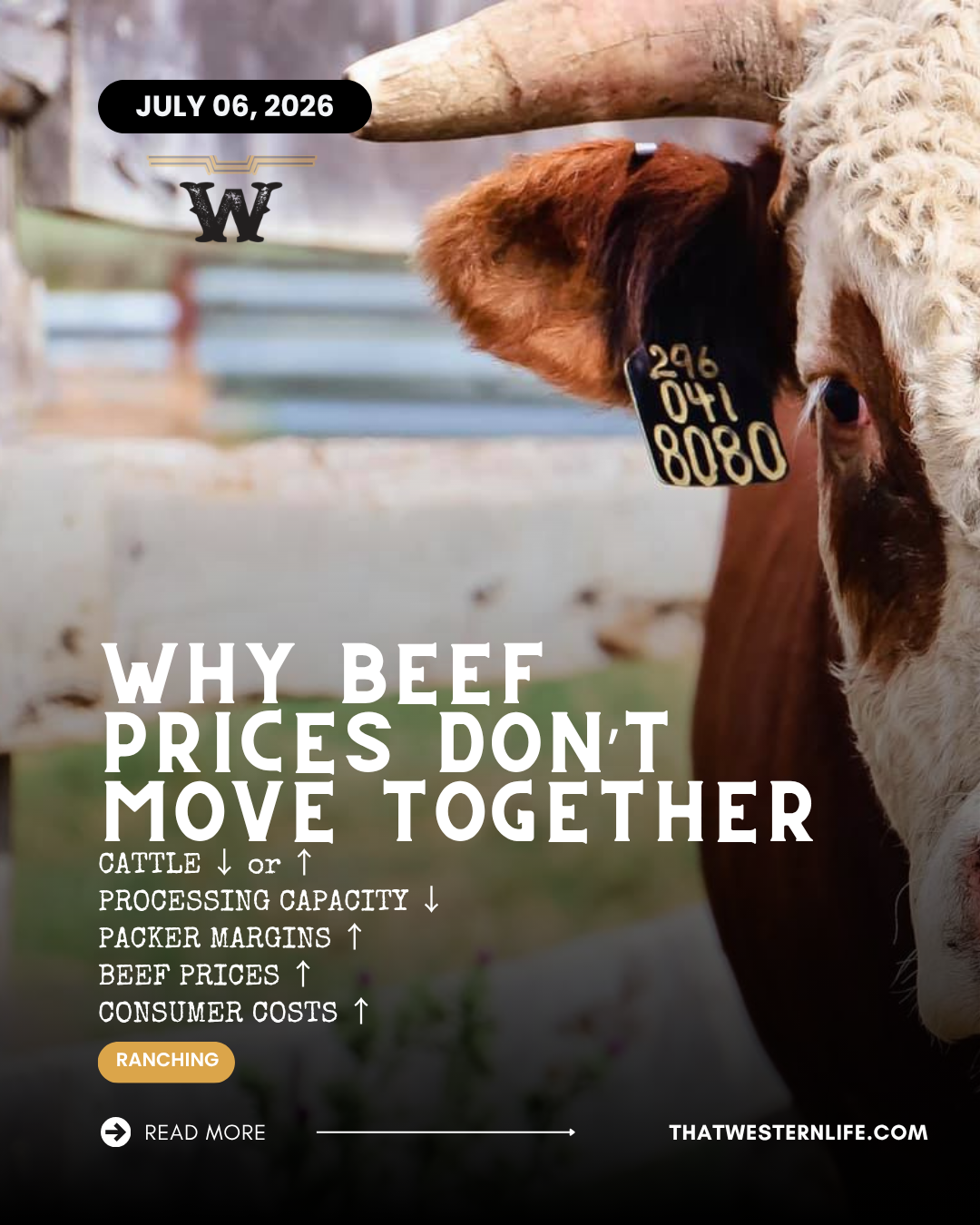
USDA’s new SPUR program will provide up to $500 million to eligible beef processors. With the top 4 packers controlling over 80% of processing, this matters because capacity directly impacts cattle prices, beef prices, and what consumers pay at the store.
The U.S. and Mexico just opened a $50 million sterile-fly plant to fight New World screwworm. This is not just a border story. It is a livestock-health, cattle-market, and food-security issue that ranchers should be watching closely.
After more than 130 years, Aqueduct Racetrack is ending live racing. For the horse world, this is more than a New York story. It is a reminder that equine culture depends on physical places — and those places are getting harder to protect.
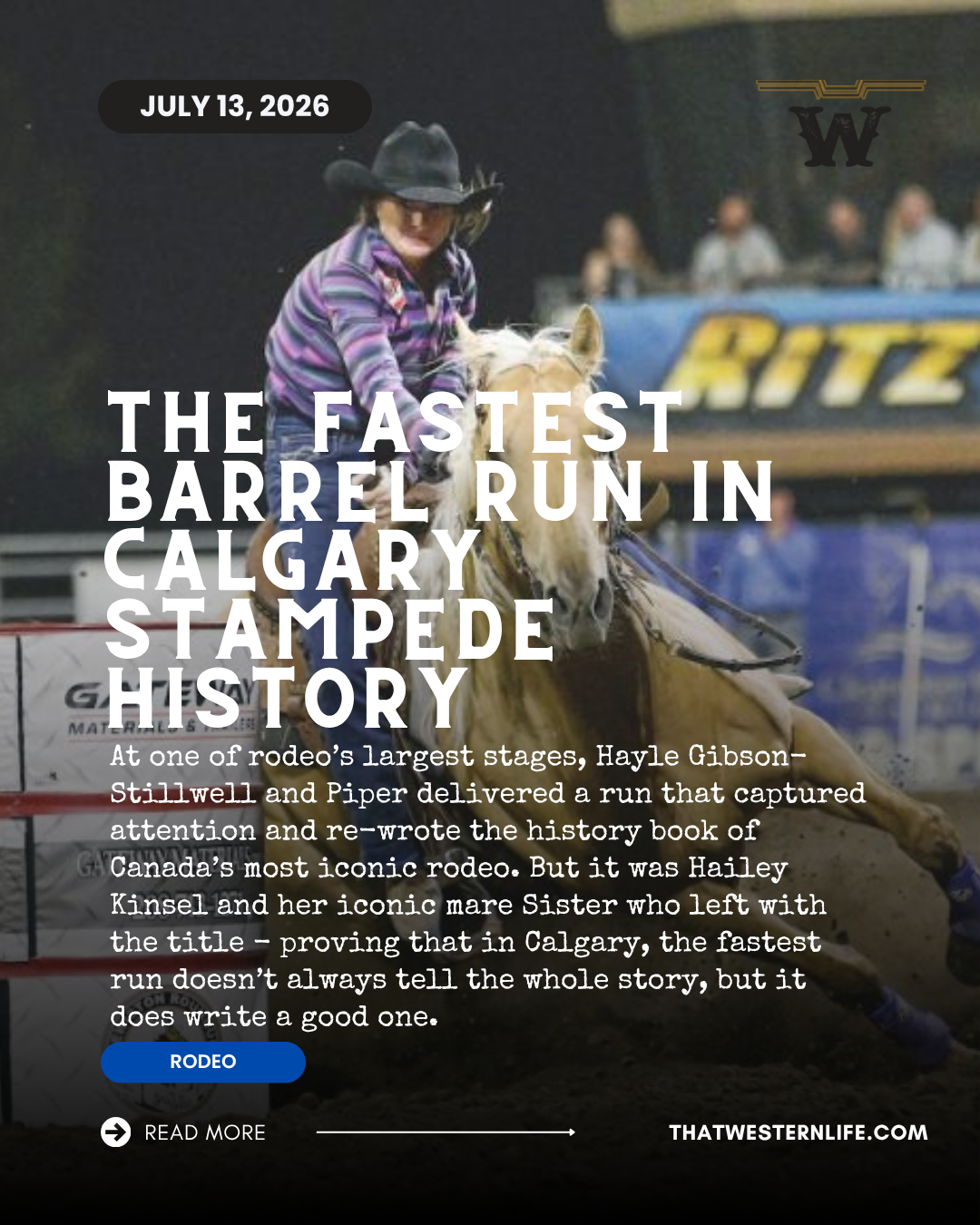
At one of rodeo’s largest stages, Hayle Gibson-Stillwell and Piper delivered a run that captured attention and re-wrote the history book of Canada’s most iconic rodeo. But it was Hailey Kinsel and her iconic mare Sister who left with the title - proving that in Calgary, the fastest run doesn’t always tell the whole story, but it does write a good one.
How many COOs and General Managers actually exist in rodeo? Not many. Most rodeos are still volunteer-run, but the biggest events are starting to look more like full-scale businesses. Here’s a breakdown of what these titles mean and how common they really are across the country.
At 76 years old, Lanita Peirce won the Cody Stampede barrel racing title on Famous Wahini after 33 years away from the Wyoming rodeo. Rodeo does not just reward youth. It rewards timing, grit, horse power, and the people who keep showing up.
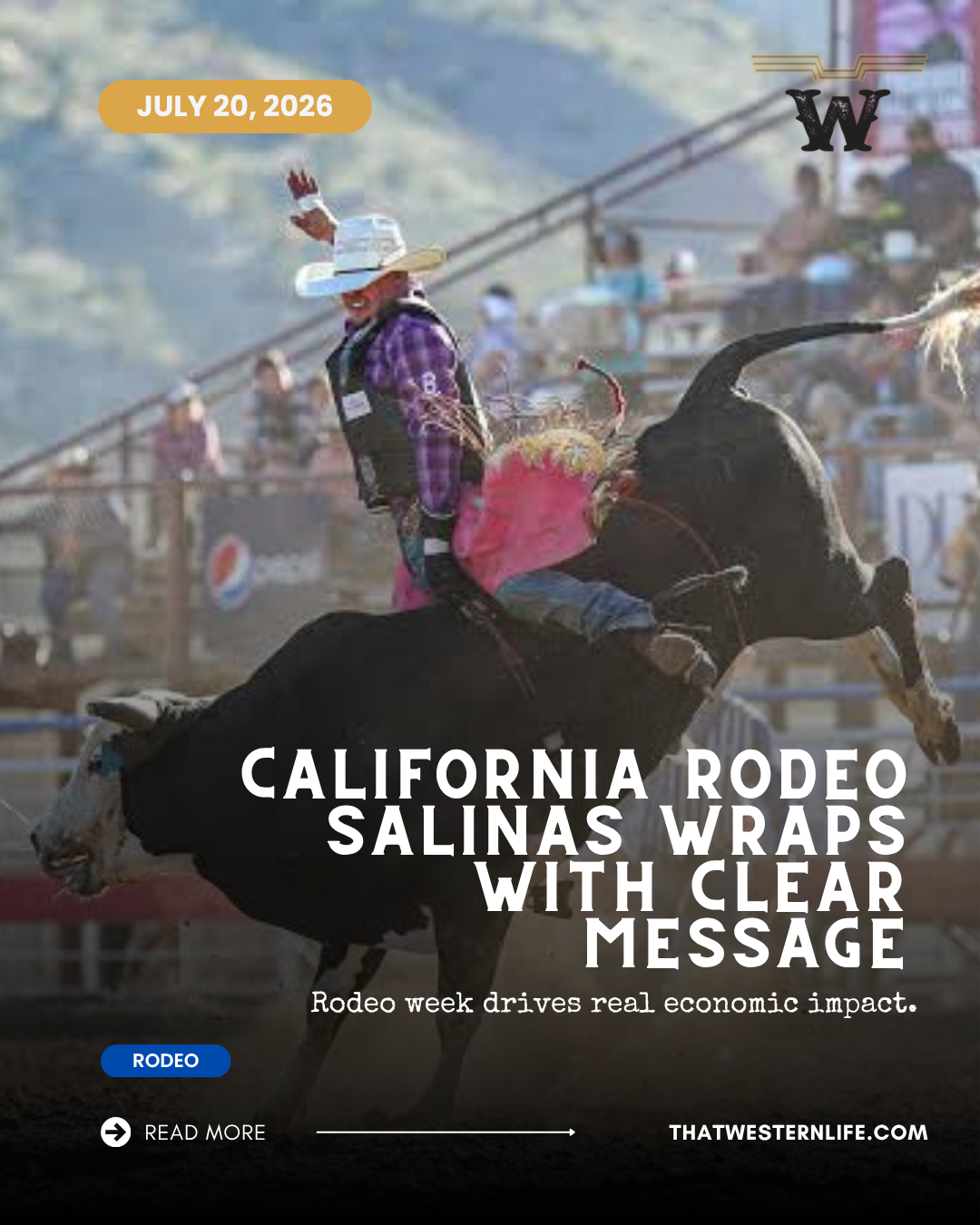
Prescott Frontier Days closes out today, and the World’s Oldest Rodeo is still one of the clearest reminders that rodeo’s history is not just nostalgia. It is part of what keeps the sport meaningful.
Katie Schrock & Rachel Owens-Sarno have co-hosted the That western life podcast since February 2019.
The That Western Life podcast’s goal is to take someone’s naive interest in the western lifestyle and invite them in for a weekly conversation with industry professionals and rodeo athletes to share the inside scoop on all things rodeo. Our hope is to continue telling the story of the western lifestyle, inviting in new fans, sponsors and brands to the sport that we love so much: rodeo. You can find the podcast anywhere podcasts are listened too and can even listen to them directly on their respective blog pages.
season 5; intentionally diving deep in the western world of rodeo
from rodeo contestants to industry professionals, agricultural advocates and country music singers, our guests cover it all!
If you know our That Western Life team, we are the biggest fans of all things western lifestyle and the amazing people that curate the uniqueness of this historical and broad industry. Join us every week as we dive into conversations about rodeo, rodeo committees, western businesses, western style, and agricultural advocates in the form of ranchers and farmers. We are here for the tough conversations and big question! Make sure to join our mailing list to be able to submit questions for our upcoming podcast guests or to pitch a guest yourself by clicking the button below!
Jessie Jarvis of Of The West joins That Western Life to talk about western industry careers, ranching identity, agriculture, AI in marketing, professionalism, rodeo jobs, and what it takes to build a business rooted in trust. This conversation is a practical look at where the western industry is headed and how job seekers, employers, and rural businesses can prepare for what comes next.
That Western Life is back for Season 7 with a renewed focus on rodeo, agriculture, ranching, western business, country culture, policy, media, and the people shaping the modern western industry. In this season preview, host Katie Schrock shares why the podcast is returning, what listeners can expect, and why the western world is not just having a moment — it is entering a new era.
Echoes from the Saddle; Great Whites, Great Cattle & Great Cowboys episode hosted by Katie Surritt and Katie Schrock, explores the fascinating history of Hawaiian cowboy culture, known as Paniolo. In this episode, the hosts delve into the unique blend of Hawaiian and Western influences that shaped the Paniolo way of life.
The hosts begin by acknowledging the challenges in researching Hawaiian history, emphasizing the reliance on oral traditions due to the lack of recorded history by the natives. They highlight the conflicting dates and historical uncertainties, underscoring their efforts to present the most accurate information.
The historical narrative starts in 1793 when Hawaii received its first cattle from Captain James Vancouver, a gift that marked the beginning of the Paniolo legacy. King Kamehameha I, the greatest King in Hawaiian culture, played a crucial role in the introduction of cattle to the islands. The cattle, initially considered imperialistic tools, soon multiplied, leading to chaos and havoc as they destroyed the islands.
Native Hawaiians faced many challenges in managing the wild and aggressive cattle. The introduction of rock walls proved ineffective, and the "Great Cattle Menace" era ensued. The cattle, similar to those used in California for sport against grizzlies, posed a serious threat to human lives and property.
The narrative shifts to King Kamehameha III, who recognized the need to control the cattle population. The hosts detail the innovative methods employed by Hawaiians, such as trap pits and bullock hunting, to manage the aggressive cattle. However, the cattle were not initially utilized for consumption; instead, efforts were made to reduce their population.
The turning point comes when King Kamehameha III invites vaqueros, the original cowboys, from California to teach Hawaiians their methods. The vaqueros introduce new techniques, including roping and cattle management, shifting the focus from lethal actions to utilizing cattle as a resource. The hosts spotlight John Palmer Parker, a key figure in ranching, who played a pivotal role in assimilating into Hawaiian culture and promoting cattle as a valuable asset.
The hosts emphasize the significance of the Paniolo in Hawaiian history, asserting that it's impossible to separate Hawaiian history from cowboy culture. The Parker Ranch, established by John Palmer Parker, becomes a symbol of the successful adaptation of cowboy culture in Hawaii. They also touch upon the transformation of Paniolo horses, bred specifically for their unique roles in herding cattle and assisting in the shipping process.
In conclusion, the Mahlo Paniolo podcast provides a comprehensive and engaging exploration of Hawaiian cowboy culture, highlighting its origins, challenges, and enduring impact on the islands. The hosts celebrate the Paniolo as a vital part of Hawaiian history, showcasing their resilience and ability to adapt while preserving their cultural identity.
There’s been a new movement in the past year regarding rodeo athletes placing an emphasis on athlete as a big part of their budding career success. Natasha McCann grew up an athlete before a major injury sidelined her from her collegiate dreams. A resilient young lady, Natasha became a buckaroo riding colts and then, on the side, got her EMT license and worked in an ambulance. Her passion for fitness and the western life led her to become a 2023 COWGIRL Magazine 30 Under 30 Recipient, as well as an athletic trainer for some of rodeos top athletes and a training coach with Champion Fitness Living.
The DOJ says major egg producers coordinated to manipulate egg-price benchmarks that influence grocery and restaurant prices nationwide. The companies deny wrongdoing, but proposed settlements include $3.3 million in payments, 53 million eggs donated to food banks, and new antitrust compliance requirements. This is bigger than eggs. It is about food affordability, market concentration, and whether consumers can trust the pricing systems behind everyday groceries.