Dona Kay Rule Test Positive for COVID-19 and is OUT of the 2020 NFR
(December 3, 2020) - Rumors broke early Thursday morning of Round 1 of the National Finals Rodeo. Barrel Racer Dona Kay Rule, who enters the NFR sitting in third place, roughly $19,000 behind leader Britany Pozzi Tonozzi, tested positive for COVID-19 and, per the supposed PRCA restrictions, will not be allowed to compete.
In a post on Instagram, Dona thanks fans for their support and to let us know that she feels healthy with zero symptoms. Called up is Jessie Telford of Idaho who was sitting #16 in the world standings. Here’s a post she made around 8:49 PST on Instagram. Click the link below to see more of the commentary.
Here’s the rumors we know:
All the contestants were required to take a test.
It’s known that if they test positive, they are out for the remainder of the NFR.
Random athletes will be tested each day of the NFR.
This poses a number of questions in regards to what is happening in the WPRA and PRCA for the NFR. An inconsistency across the board and lack of transparency to fans could prove detrimental during an event so many hoped to see happen.
Western heritage is easy to romanticize.
But behind every legacy brand is a much harder story: ownership decisions, supply chains, skilled labor, production timelines, cash flow, customer trust, and the pressure to protect the name while still moving the business forward.
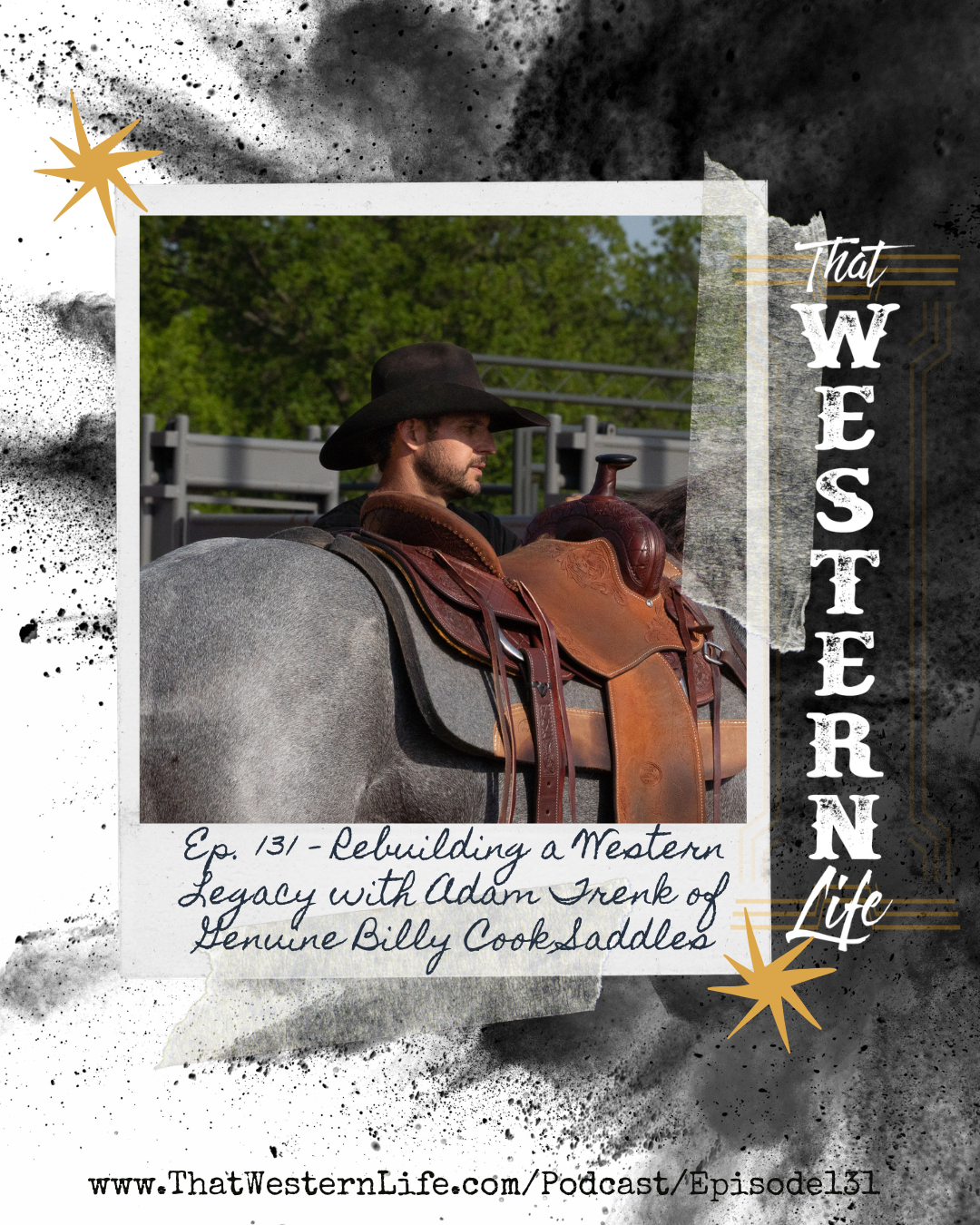
That is what makes Adam Trenk’s role with Genuine Billy Cook Saddles so interesting.
Billy Cook is not just another saddle brand. It carries history, craftsmanship, and deep credibility in the western industry. For generations, the name has meant something to horsemen, ranchers, rodeo competitors, and working cowboys.
Then came the tornado.
In April 2024, the Billy Cook facility was destroyed, forcing the company into one of the most difficult tests a heritage manufacturer can face: how do you rebuild without losing what made the brand matter in the first place?
Rebuilding a western brand is not simply about reopening doors. It is about protecting craft knowledge, honoring the customer base, stabilizing production, retaining credibility, and proving that legacy is not just something you inherit. It is something you have to earn again.
Adam Trenk’s story is a reminder that the future of the western industry will not be built only by new startups or flashy ideas. It will also be built by the people willing to preserve, repair, modernize, and fight for the businesses that already carry the culture forward.
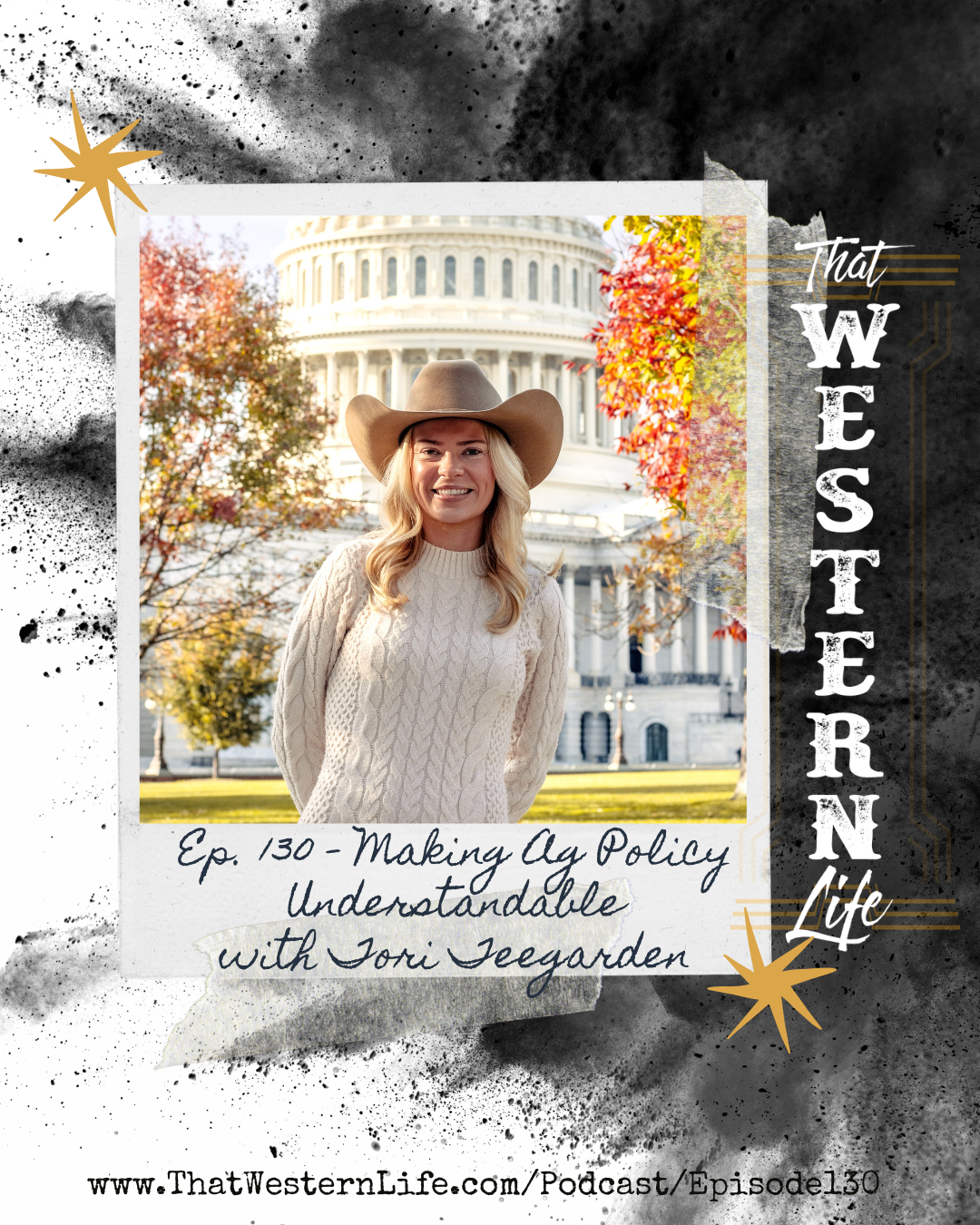
Tori Teegarden joins That Western Life to make agriculture policy approachable for rodeo, ranching, and western lifestyle audiences. From the Farm Bill and public lands to food production, local advocacy, federal agencies, and why Washington, D.C., needs more rodeo, this episode explains why policy matters and how everyday people in agriculture can get involved.
That Western Life did not disappear because the podcast failed. It went quiet partly because it worked. Now, a three-woman team is rebuilding the platform in public, publishing its goals, testing its assumptions and examining whether a dormant Western media brand can become a sustainable business.
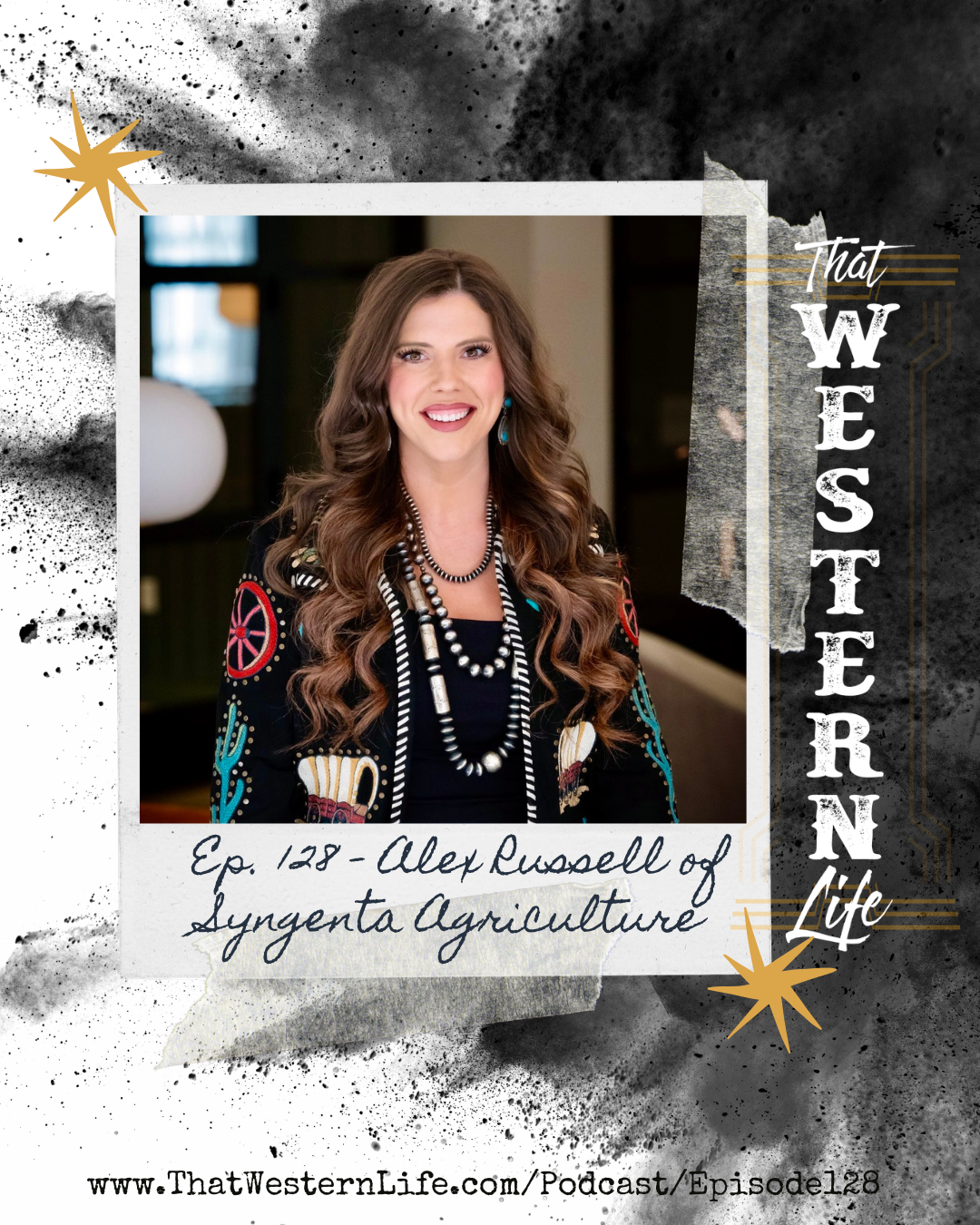
Alex Russell joins That Western Life to talk about growing up in rodeo, how FFA shaped her future, building a career in agriculture with Syngenta, the role of crop protection and soybean seed care, and why the western industry needs both tradition and innovation. This episode is a practical and personal look at agriculture careers, rodeo roots, mentorship, food production, and the future of the western way of life.
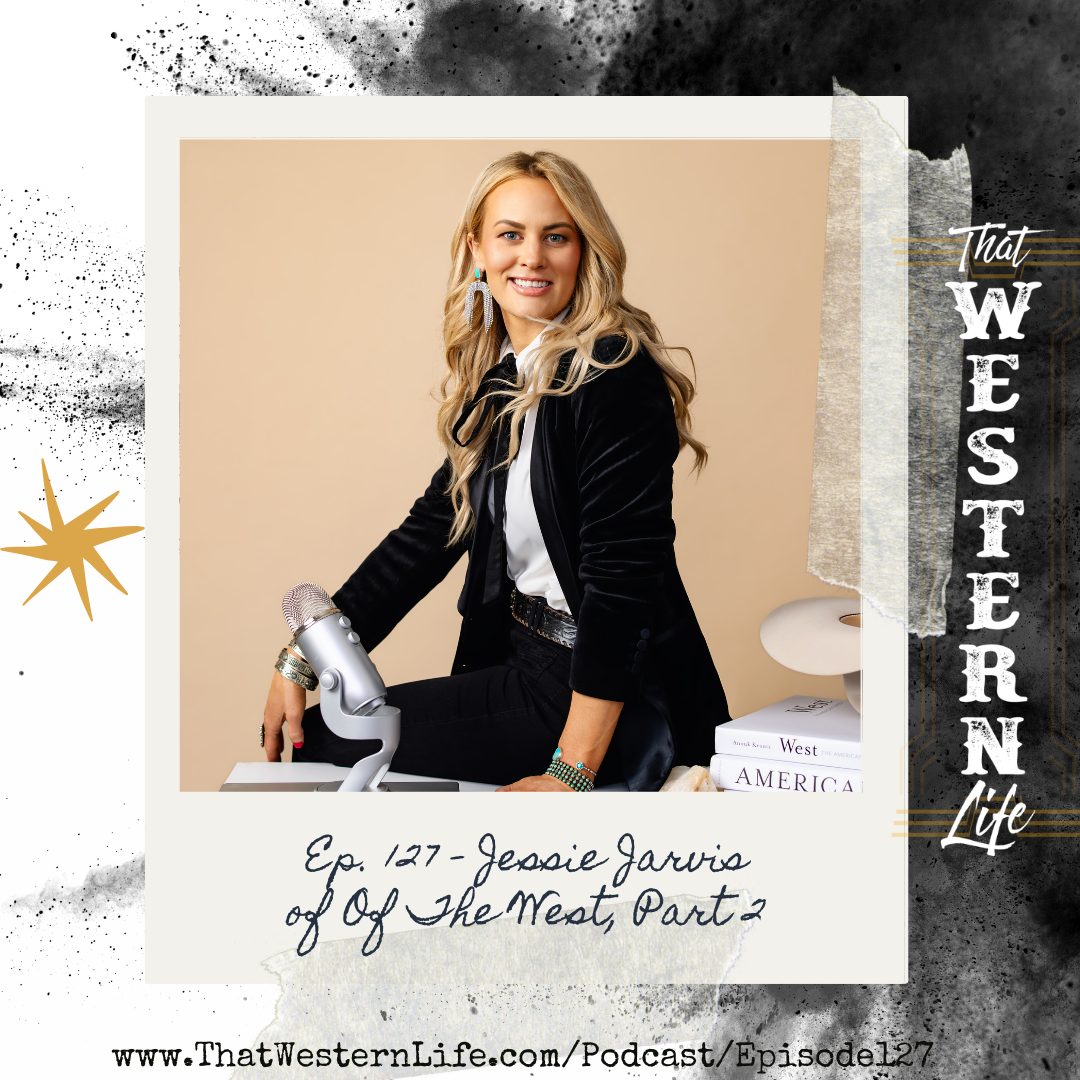
Jessie Jarvis of Of The West joins That Western Life to talk about western industry careers, ranching identity, agriculture, AI in marketing, professionalism, rodeo jobs, and what it takes to build a business rooted in trust. This conversation is a practical look at where the western industry is headed and how job seekers, employers, and rural businesses can prepare for what comes next.
That Western Life is back for Season 7 with a renewed focus on rodeo, agriculture, ranching, western business, country culture, policy, media, and the people shaping the modern western industry. In this season preview, host Katie Schrock shares why the podcast is returning, what listeners can expect, and why the western world is not just having a moment — it is entering a new era.
Echoes from the Saddle; Great Whites, Great Cattle & Great Cowboys episode hosted by Katie Surritt and Katie Schrock, explores the fascinating history of Hawaiian cowboy culture, known as Paniolo. In this episode, the hosts delve into the unique blend of Hawaiian and Western influences that shaped the Paniolo way of life.
The hosts begin by acknowledging the challenges in researching Hawaiian history, emphasizing the reliance on oral traditions due to the lack of recorded history by the natives. They highlight the conflicting dates and historical uncertainties, underscoring their efforts to present the most accurate information.
The historical narrative starts in 1793 when Hawaii received its first cattle from Captain James Vancouver, a gift that marked the beginning of the Paniolo legacy. King Kamehameha I, the greatest King in Hawaiian culture, played a crucial role in the introduction of cattle to the islands. The cattle, initially considered imperialistic tools, soon multiplied, leading to chaos and havoc as they destroyed the islands.
Native Hawaiians faced many challenges in managing the wild and aggressive cattle. The introduction of rock walls proved ineffective, and the "Great Cattle Menace" era ensued. The cattle, similar to those used in California for sport against grizzlies, posed a serious threat to human lives and property.
The narrative shifts to King Kamehameha III, who recognized the need to control the cattle population. The hosts detail the innovative methods employed by Hawaiians, such as trap pits and bullock hunting, to manage the aggressive cattle. However, the cattle were not initially utilized for consumption; instead, efforts were made to reduce their population.
The turning point comes when King Kamehameha III invites vaqueros, the original cowboys, from California to teach Hawaiians their methods. The vaqueros introduce new techniques, including roping and cattle management, shifting the focus from lethal actions to utilizing cattle as a resource. The hosts spotlight John Palmer Parker, a key figure in ranching, who played a pivotal role in assimilating into Hawaiian culture and promoting cattle as a valuable asset.
The hosts emphasize the significance of the Paniolo in Hawaiian history, asserting that it's impossible to separate Hawaiian history from cowboy culture. The Parker Ranch, established by John Palmer Parker, becomes a symbol of the successful adaptation of cowboy culture in Hawaii. They also touch upon the transformation of Paniolo horses, bred specifically for their unique roles in herding cattle and assisting in the shipping process.
In conclusion, the Mahlo Paniolo podcast provides a comprehensive and engaging exploration of Hawaiian cowboy culture, highlighting its origins, challenges, and enduring impact on the islands. The hosts celebrate the Paniolo as a vital part of Hawaiian history, showcasing their resilience and ability to adapt while preserving their cultural identity.
Season 6 is gearing up for the Top 5 Rodeo Sports Podcast That Western Life with co-hosts Katie Schrock, Rachel Owens-Sarno, Katie Surritt, and Joe Harper. Join us as we recap the 2023 Wrangler National Finals Rodeo & Professional Rodeo Cowboys Association’s Annual Convention and dive into our predictions for 2024 with a preview of the 2024 podcasting season.
There’s been a new movement in the past year regarding rodeo athletes placing an emphasis on athlete as a big part of their budding career success. Natasha McCann grew up an athlete before a major injury sidelined her from her collegiate dreams. A resilient young lady, Natasha became a buckaroo riding colts and then, on the side, got her EMT license and worked in an ambulance. Her passion for fitness and the western life led her to become a 2023 COWGIRL Magazine 30 Under 30 Recipient, as well as an athletic trainer for some of rodeos top athletes and a training coach with Champion Fitness Living.

Dr. Emily Melchior joins That Western Life to connect the dots between cattle science, ruminant nutrition, animal health, applied research, sustainability, and the future of agriculture. From growing up as a horse girl outside of agriculture to earning her PhD and supporting global cattle research, Emily brings a practical, grounded perspective on why healthy animals, curious producers, strong data, and open-minded leadership matter for the next generation of the Western industry.