
Smart Ranching Technology Is No Longer Just a Future Trend
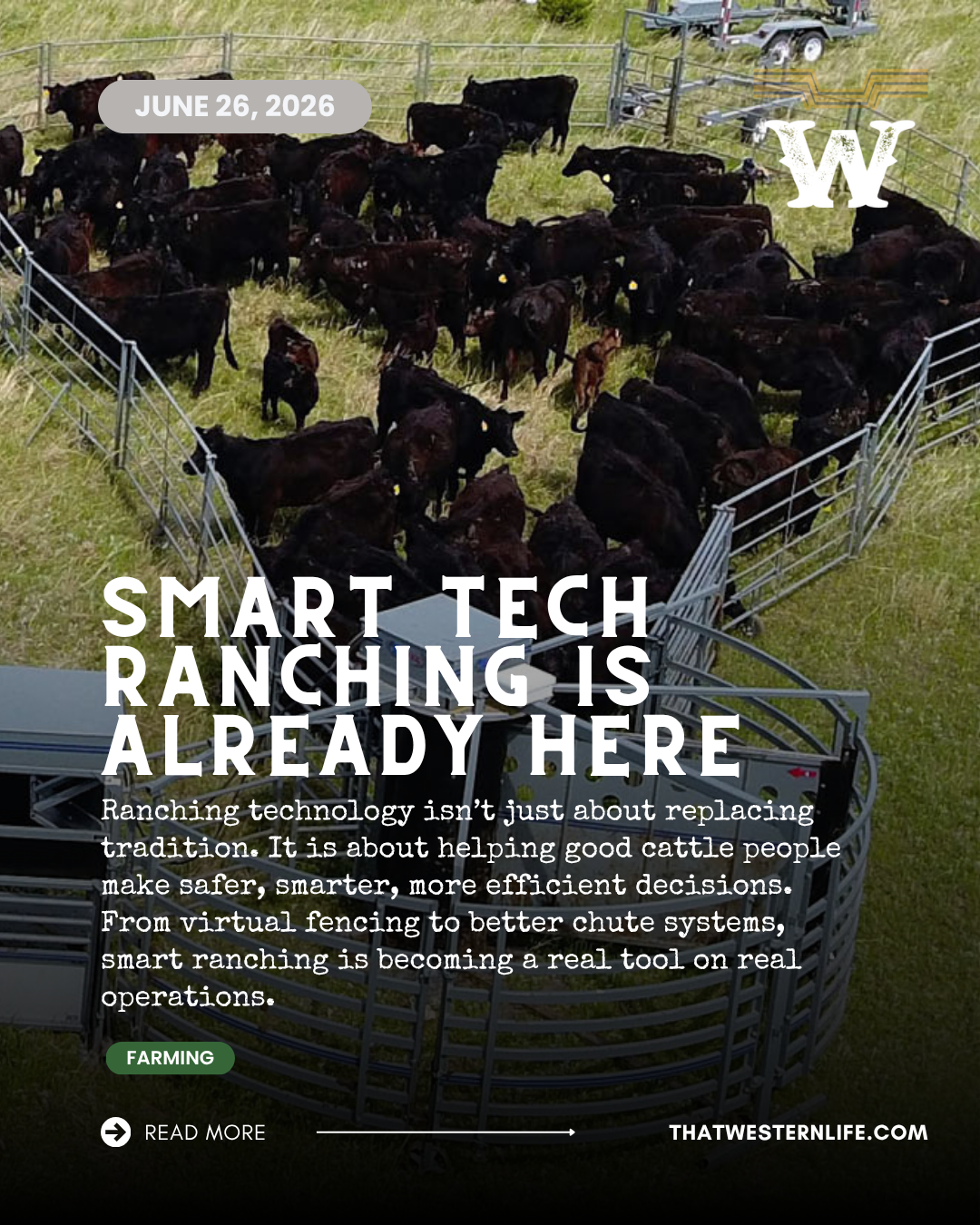
Ranching technology is not just about replacing tradition. It is about helping good cattle people make safer, smarter, more efficient decisions. From virtual fencing to better chute systems, smart ranching is becoming a real tool on real operations.
For a long time, agriculture technology was mostly talked about through the lens of row crops: tractors, sprayers, drones, sensors, mapping, and precision application.
But ranching is having its own technology moment.
New coverage from Farm Progress highlights how modern cattle operations are using tools like safer handling systems, digital record-keeping, and virtual fencing to manage cattle more efficiently. At The 808 Ranch, technologies such as TurretGate and Silencer Chute systems, Breedr record-keeping, and Halter virtual fencing are being used to improve safety, grazing management, and day-to-day decision-making.
That matters because ranching has always required a rare mix of instinct, experience, and physical labor. Good cattle people know how to read livestock, weather, grass, water, and pressure. Technology does not replace that knowledge. But it can help support it.
A safer chute system can protect both cattle and people. Better records can help ranchers make more informed breeding, health, and marketing decisions. Virtual fencing can open up new options for grazing management without the same level of permanent infrastructure. For operations dealing with labor shortages, rising costs, land pressure, and animal welfare expectations, those tools are not just convenient. They may become a competitive advantage.
This is also where the Western world needs to be careful with the story.
Ranchers are not adopting technology because they want to make cattle production less traditional. In many cases, they are adopting it because they want to preserve the operation. If a tool helps reduce injuries, improve grazing, save time, or make better business decisions, it can help keep ranches viable.
Why Ag Tech Belongs in the Western Lifestyle Conversation
Spotlighting approachable, real-world ag tech brands fit naturally into the western lifestyle, this agtech blogs shocases how innovation is a tool that we can utilize for efficiency and cost-effective practices. This is not a replacement for the way we already live and work, but a tool.
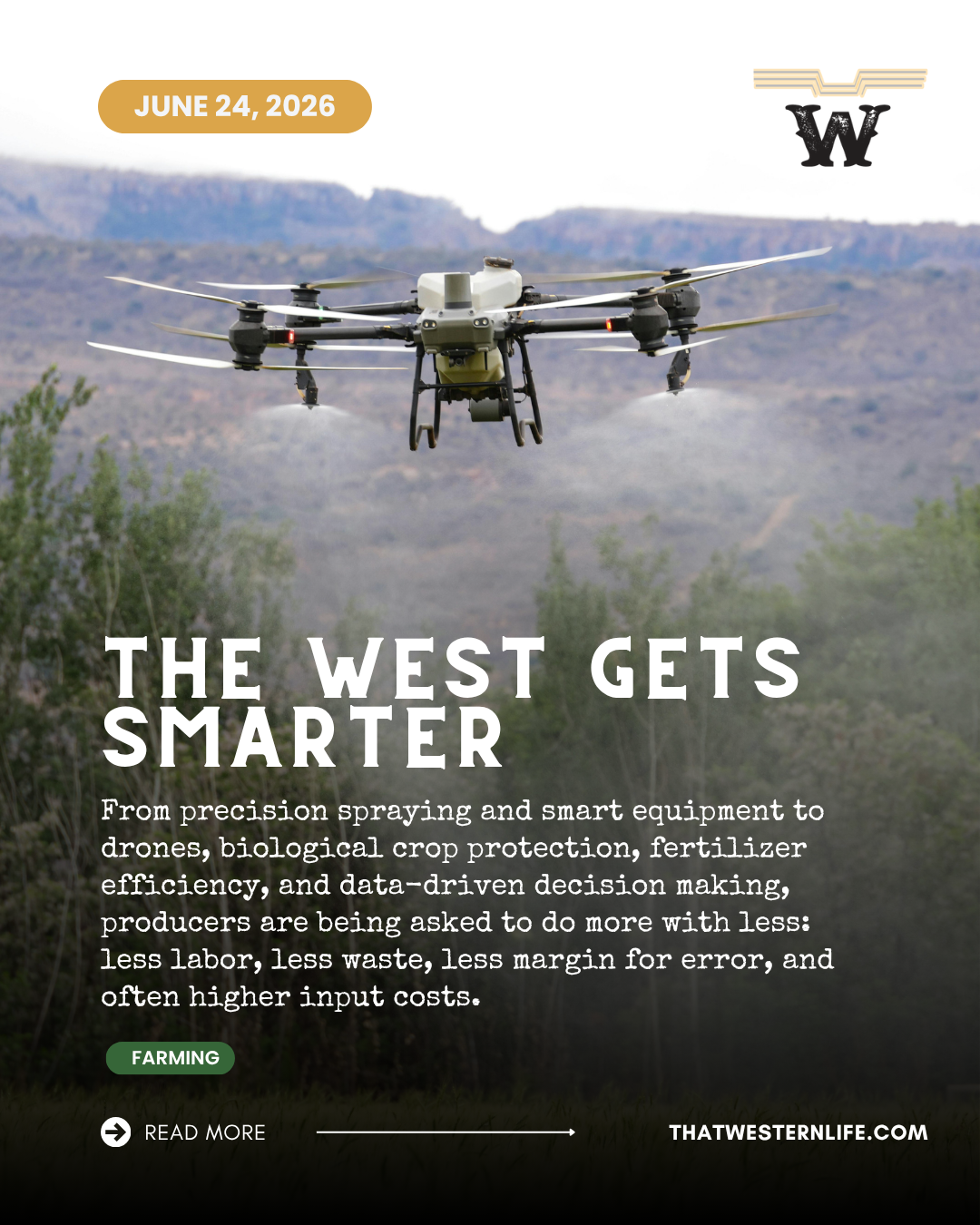
When people think about western lifestyle, they often picture horses, rodeos, and wide-open land. But behind the scenes, a new wave of ag tech brands is helping producers stay efficient, profitable, and sustainable. This summer, a few standout companies are worth keeping an eye on—especially because they’re solving real problems for both ranchers and farmers.
1. Vence (Ranch Tech) | Website
Vence is changing how ranchers manage grazing with virtual fencing technology. Instead of building and maintaining physical fences, producers can use GPS-enabled collars to guide cattle movement. This helps improve pasture management, reduce labor, and protect sensitive land areas. For ranchers dealing with large acreage or difficult terrain, this kind of flexibility is a game changer.
2. Monarch Tractor (Farm Tech) | Website
Monarch is leading the charge in autonomous, electric tractors. Their machines are designed to reduce fuel costs, lower emissions, and operate with minimal labor input. With rising input costs and ongoing labor shortages, Monarch’s technology offers a practical solution for farms looking to modernize without sacrificing productivity.
3. Agtonomy (Farm Tech) | Website
Agtonomy focuses on autonomy for specialty crops, helping farmers automate tasks like mowing, spraying, and hauling. Their platform integrates with existing equipment, making it easier for smaller or mid-sized operations to adopt automation without a full equipment overhaul. It’s a smart approach for producers who want efficiency without massive upfront investment.
The key takeaway isn’t just that these brands are innovative—it’s that they’re practical. Each one is addressing real challenges producers face every day, from labor shortages to land management.